
China Fiberglass Mesh Questions You Need to Ask Before Buying
When you look for China Fiberglass Mesh, you need to ask about product quality first. The global market for Fiberglass Mesh grows at about 4.4% each year. You want to know if the supplier delivers strong, reliable products. Ask if the Fiberglass Self Adhesive Tape, Metal Corner Tape, Paper Tape, and Wall Patch meet your standards. A simple question about quality helps you avoid problems and make a smart choice.
Key Takeaways
- 1.Always ask about product quality and request test reports to ensure the fiberglass mesh meets your project standards.
- 2.Check if the supplier is ISO 9001 certified. This certification indicates a commitment to quality management and reliable products.
- 3.Request product samples before making a large order. Testing samples helps you assess quality and suitability for your needs.
- 4.Understand the supplier's production capacity and lead times. This knowledge ensures timely delivery for your projects.
- 5.Inquire about after-sales support and warranty policies. Good support and clear warranties protect your investment and project success.
What Are the Material Specifications and Mesh Size?
- You need to ask about material specifications and mesh size before you buy China Fiberglass Mesh. Mesh size affects how well the product works for your project. Different applications require different mesh sizes. For example:
- 1.EIFS (Exterior Insulation and Finish Systems) often use mesh sizes of 4x4mm or 5x5mm. These sizes help reinforce insulation boards and primers. They prevent cracking and improve thermal performance.
- 2.Waterproofing jobs usually need finer mesh sizes like 4x4mm or 2x2mm. These sizes provide tight reinforcement in areas with moisture, such as bathrooms and balconies.
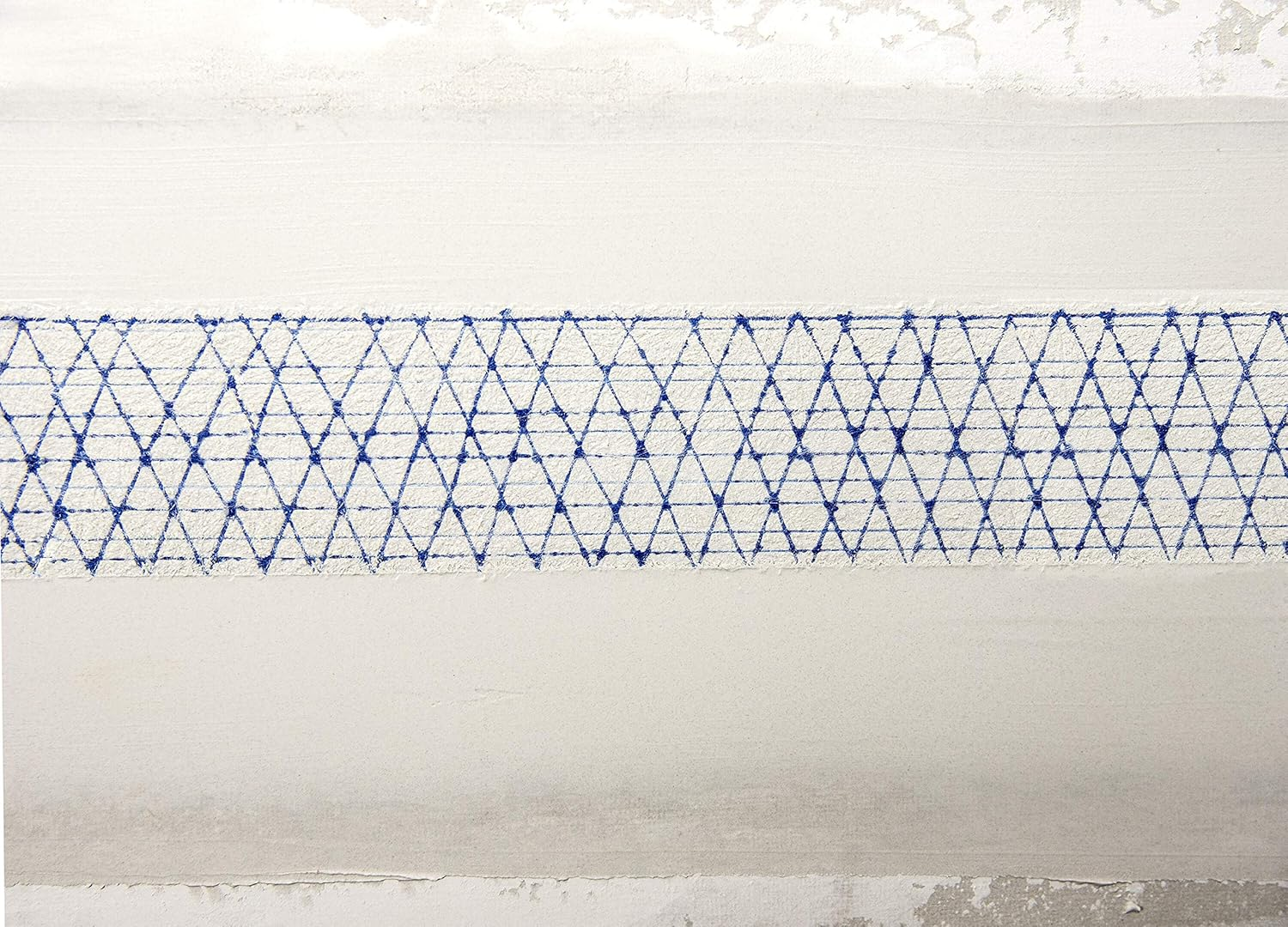
- 3.Joint reinforcement in drywall and plasterboard uses narrow mesh tapes around 2x2mm. These tapes prevent cracks and allow easy application.
- 4.Industrial projects may require larger mesh sizes, such as 10x10mm or more. These sizes withstand pressure, shock, and vibration.
- 5.Special projects sometimes need very fine mesh sizes for smooth surfaces.
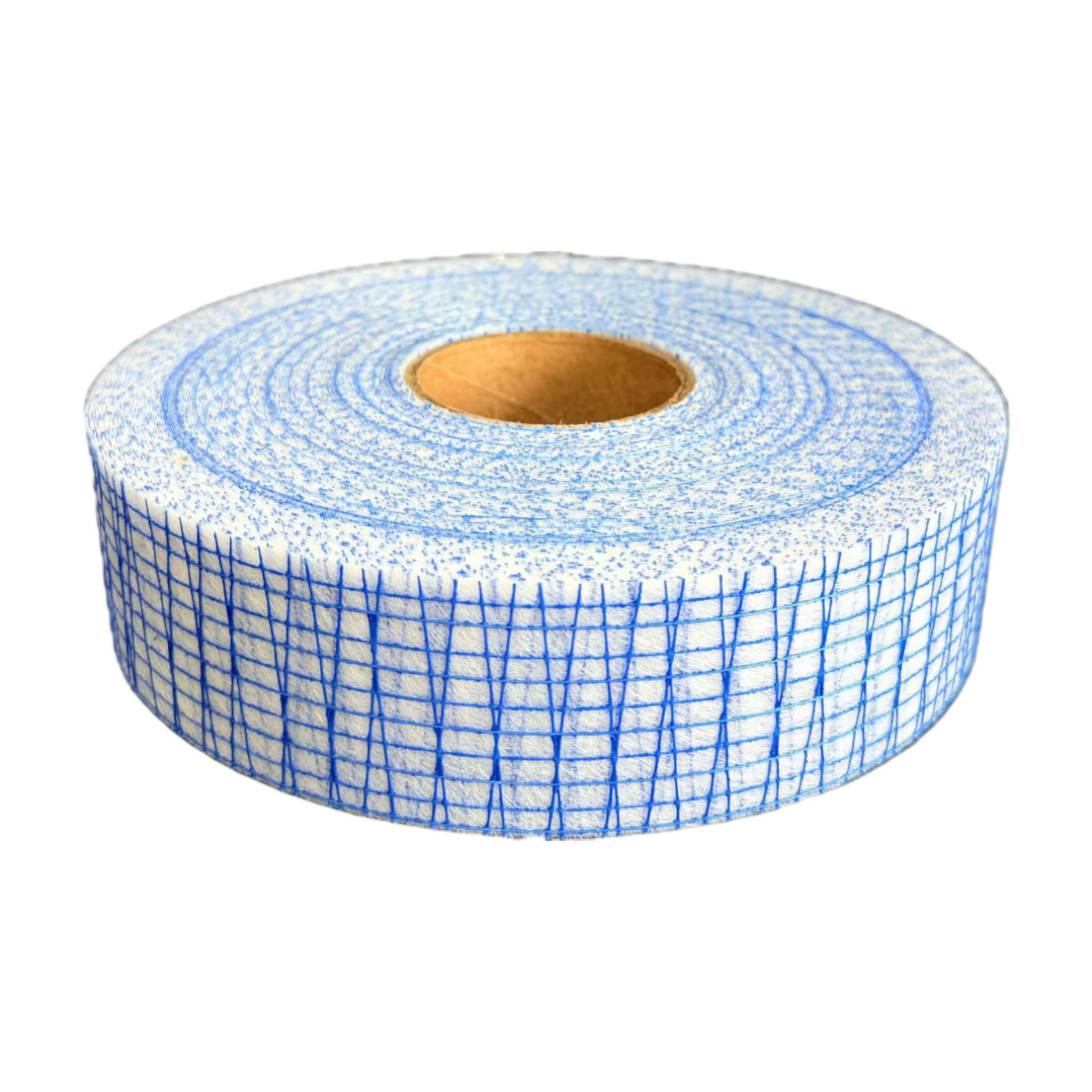
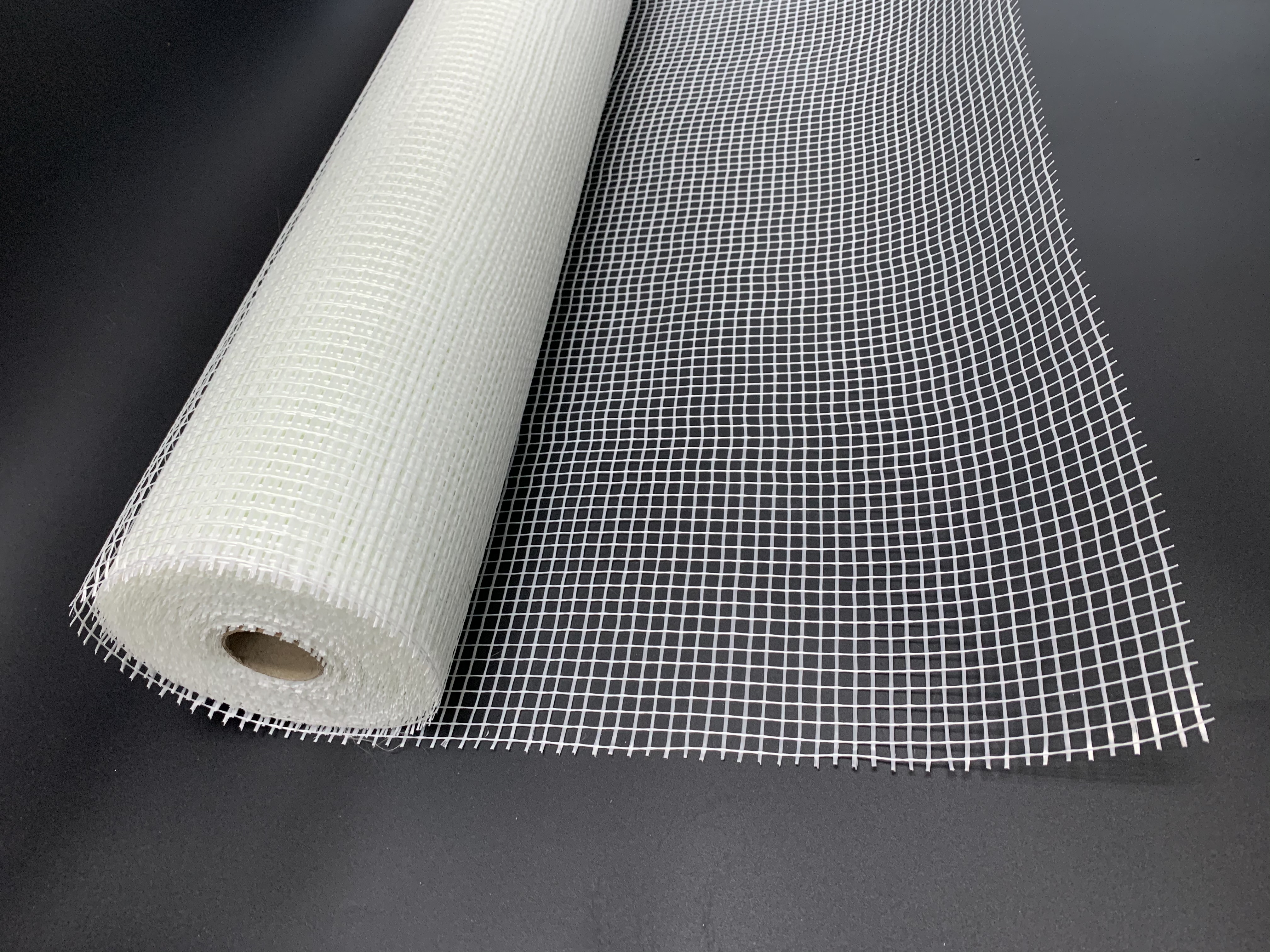
Most fiberglass mesh products use a plain weave pattern. This pattern gives uniform strength and keeps the mesh stable. Mesh sizes range from 2x2mm for detailed reinforcement to 10x10mm for heavy-duty use. You should choose the mesh size based on your project needs and the environment.
Do You Provide Test Reports for Alkali Resistance and Tensile Strength?
You should always ask for test reports when you buy China Fiberglass Mesh. These reports show how the mesh performs under stress and exposure to chemicals. Alkali resistance is important because construction materials often contain cement and lime. These substances can damage the mesh if it is not resistant. Tensile strength measures how much force the mesh can handle before breaking. Reliable suppliers provide test reports from certified labs. These reports help you check if the mesh meets industry standards. You can use this information to compare products and make a safe choice.
Tip: Request recent test reports for each batch. This ensures you get consistent quality every time.
Are Your Products ISO 9001 Certified?
You need to check if the supplier has ISO 9001 certification. This certification shows that the company follows strict quality management systems. ISO 9001 helps ensure that China Fiberglass Mesh products meet your expectations. Certified suppliers monitor their production processes and keep records. They use quality checks at every stage. You can trust products from ISO 9001 certified companies because they focus on continuous improvement. Ask for a copy of the certificate and verify its validity. This step helps you avoid low-quality products and unreliable suppliers.
Can You Provide Product Samples for Evaluation?
You should always ask for product samples before you buy China Fiberglass Mesh. Samples help you check the quality and see if the mesh fits your project. When you test samples, you can find out if the mesh is strong, flexible, and easy to use. You can also see if the coating sticks well and if the mesh works with your materials.
Here is a table that shows how sample evaluations help you make better decisions:
| Evidence | Explanation |
|---|---|
| Offering sample kits or cut pieces | Lets you test new uses, builds trust, and cuts waste. You are more likely to order again if the mesh works well. |
| Sample testing reveals issues | Helps you spot problems with coating, strength, or fit. This keeps your project safe and long-lasting. |
| Incorporating sample numbers into contracts | Protects your rights and helps you make smart choices. You get quality assurance before you buy in bulk. |
You can learn from real projects. For example:
1.A hotel chain saved 20% on rework costs by testing three sample batches and doing a small trial before buying.
2.One client found weak packaging during a video call with the factory. They asked for stronger boxes and avoided damage during shipping.
You should ask the supplier to send you samples. You can test them in your own way. You can also ask for a small trial order before you buy a large amount. This step helps you avoid mistakes and saves money.
What Quality Control Processes Are Implemented?
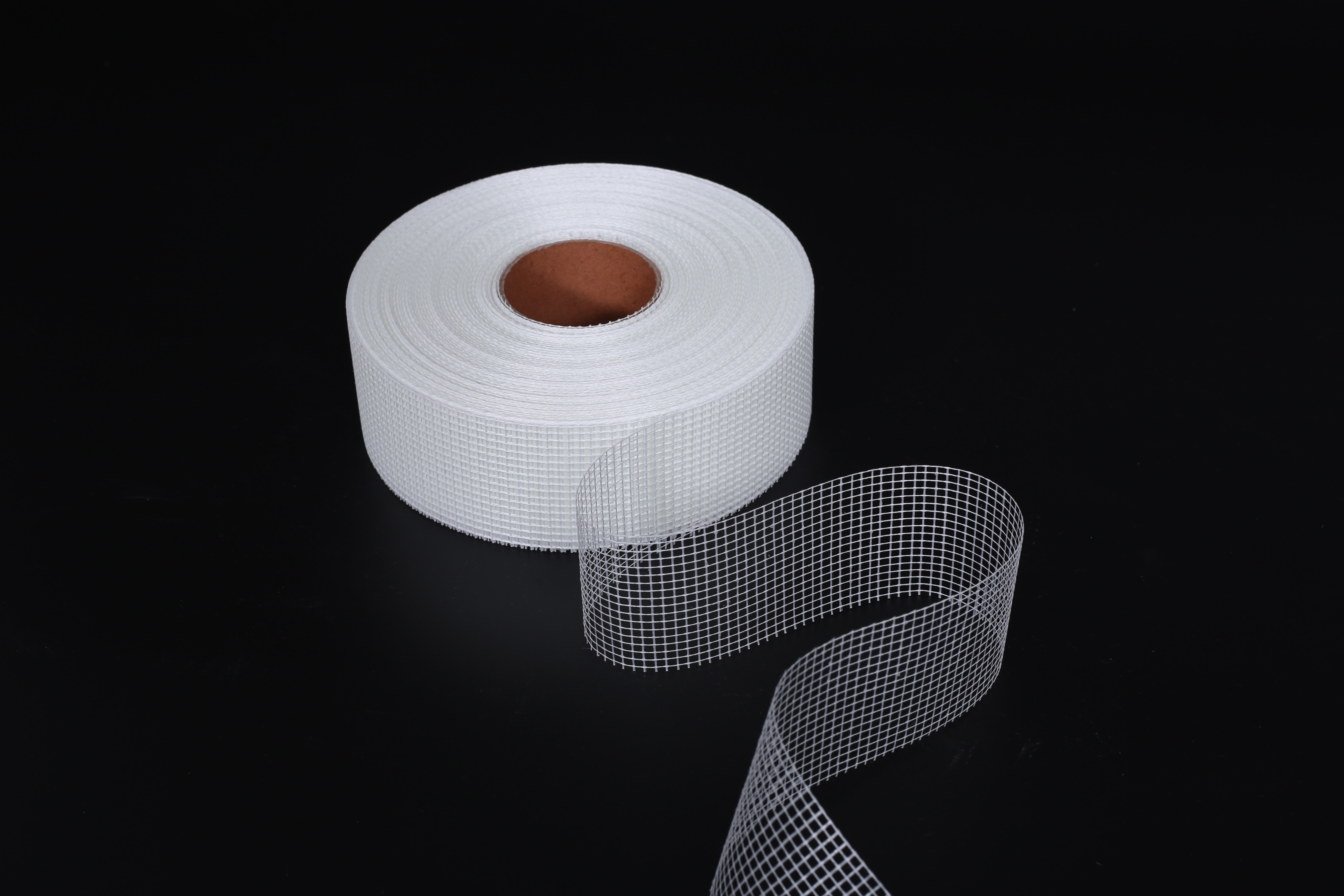
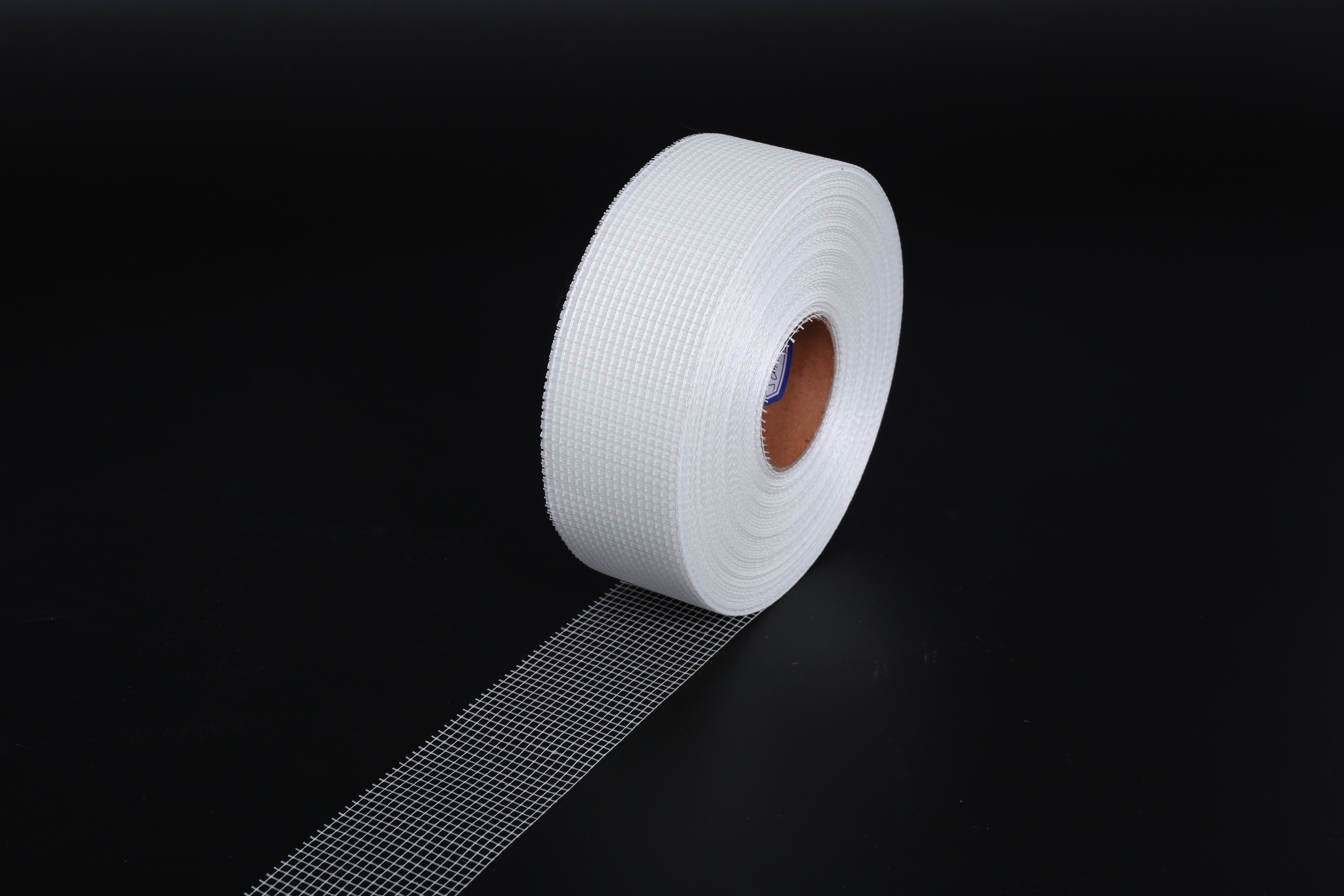
You need to know how the supplier checks the quality of their fiberglass mesh. Good suppliers use strict quality control steps. They check the raw materials, watch the weaving process, and test the finished mesh. They also look for defects and measure the mesh size and strength.
Ask the supplier these questions:
1.How do you check the raw fiberglass yarn?
2.What machines do you use to weave the mesh?
3.Do you test the mesh for strength and resistance to chemicals?
4.How do you pack and label the mesh for shipping?
5.Who checks the final products before they leave the factory?
You should ask for details about each step. You can also request photos or videos of the quality checks. Some suppliers let you visit the factory or join a video call to see the process. This helps you trust the supplier and feel sure about your order.
A strong quality control system means you get reliable mesh every time. You avoid delays, returns, and extra costs. You also protect your project and your reputation.
What Is Your Company Background and Experience?
You should always ask about the supplier’s company background and experience. This helps you understand who you are working with. A reliable supplier will share their history, years in business, and main products. You can ask how long they have produced fiberglass mesh and what markets they serve. You can also check if they have worked with international clients. Suppliers with a long history often have stable processes and better quality control. You can look for information about their factory size, number of workers, and main export countries. This gives you a clear picture of their abilities.
What Is Your Production Capacity for Bulk Orders?
You should know the supplier’s production capacity before you place a large order. Ask how many rolls or square meters of mesh they can produce each month. You can also ask about their busiest seasons and how they handle big orders. A strong supplier will share details about their machines, factory space, and number of workers. They will also explain how they manage urgent or custom orders.
If you need China Fiberglass Mesh for a big project, you want to make sure the supplier can deliver on time. You can ask for photos or videos of their factory. You can also request a production plan for your order. This helps you avoid delays and keeps your project on track.
Are You a Manufacturer or a Trading Company?
You need to know if your supplier is a manufacturer or a trading company. This question helps you understand who controls the quality and production of your fiberglass mesh. Manufacturers make the mesh in their own factories. They use their own machines, workers, and quality checks. Trading companies buy mesh from different factories and sell it to you.
Manufacturers often give you better reliability. They focus on new ideas and strict quality control. Many follow international standards like ASTM. They invest in research and use safe, modern production methods. This means their mesh lasts longer and works well in tough places. You can ask for custom sizes or special coatings. Manufacturers can help you with technical support and after-sales service. They want to build trust and work with you for a long time, not just sell you one order.
For example, some leading manufacturers in China use advanced machines and special coatings. Their mesh resists alkali, sunlight, fire, and rust. This makes it strong and safe for many jobs. You can see their big factories and learn about their process. They often give you a warranty and help if you have problems.
Trading companies do not make the mesh themselves. They buy from different sources. You may not know where your mesh comes from or how it was made. You might get different quality each time. Trading companies may not offer much technical help or after-sales support. You could face delays if they need to find a new factory.
You should ask how long the supplier has exported fiberglass mesh. Experience in exporting shows that the supplier understands shipping rules, customs, and paperwork. It also means they know how to pack and label products for safe travel.
China exports about 150,000 metric tons of fiberglass mesh every year. This is more than half of the world’s supply. The total value is around 600 million US dollars. Many Chinese suppliers have shipped mesh to many countries for years. They know how to handle big orders and solve problems fast.
You can ask these questions:
1.How many years have you exported fiberglass mesh?
2.Which countries do you ship to most often?
3.Can you show shipping records or export certificates?
4.Do you have experience with large or special orders?
A supplier with many years of export experience can help you avoid mistakes. They know how to fill out forms and clear customs. They can suggest the best shipping methods. You get your mesh on time and in good condition.
What Is the Detailed Price Breakdown Per Unit?
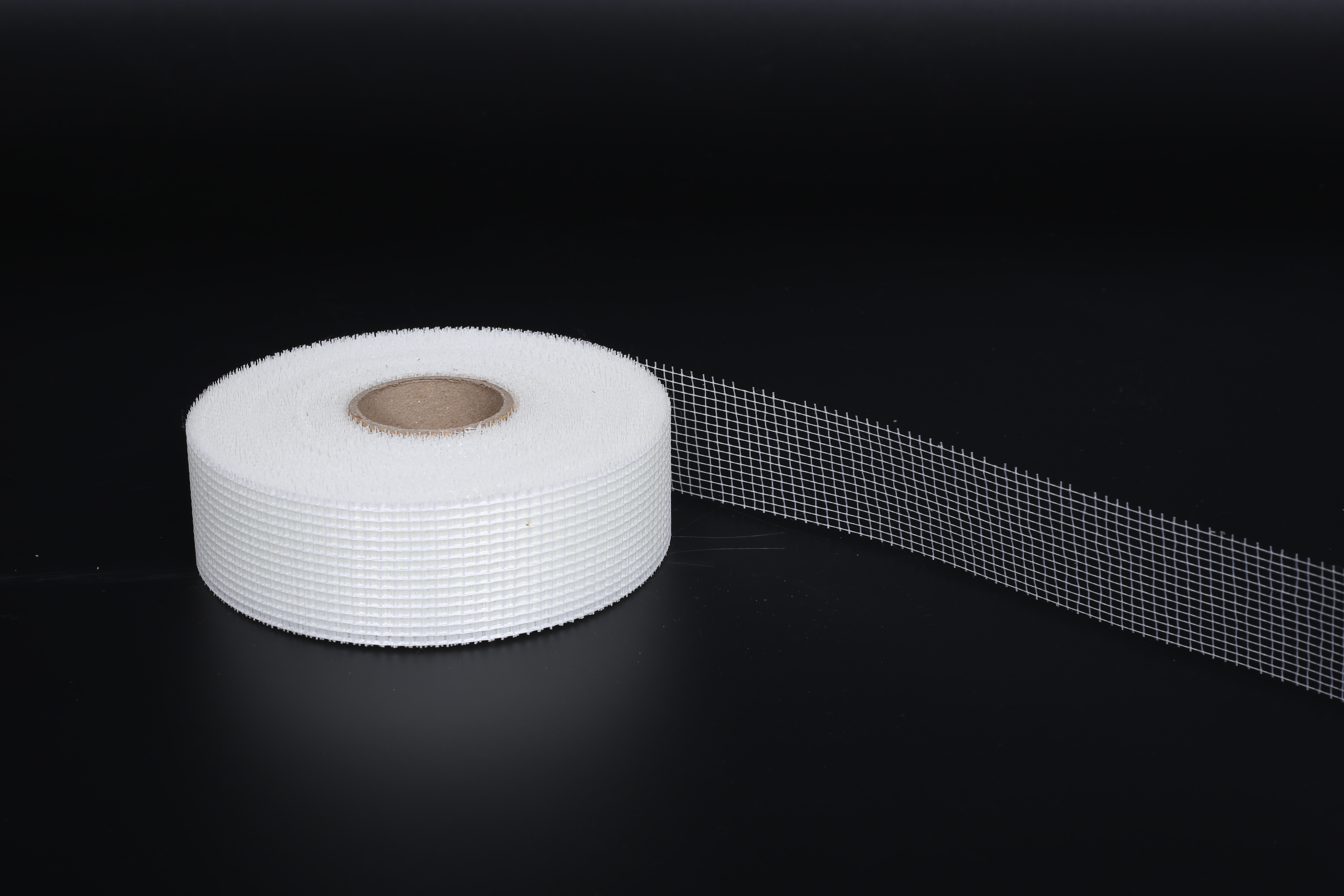
You should always ask for a clear price breakdown before you buy China Fiberglass Mesh. A detailed quote helps you understand what you are paying for. The price per unit can include the cost of raw materials, weaving, coating, packaging, and shipping. Some suppliers add charges for custom sizes or special coatings. You need to check if the price includes taxes or if you must pay them separately. You can compare prices from different suppliers when you have all the details. This step helps you avoid surprises and choose the best value for your project.
What Payment Methods and Terms Do You Offer?
You should know the payment methods and terms before you place an order. Different suppliers offer different options. Here is a table that shows the most common payment methods and terms for China Fiberglass Mesh:
| Payment Method/Term | Description |
|---|---|
| 30% deposit, balance before shipment | Common initial payment structure |
| Letter of Credit (LC) at sight | Used for established importers |
| Platform-backed escrow (e.g., Alibaba Trade Assurance) | Provides security for transactions |
| Net-30 terms after initial order history | Available after establishing a relationship |
| Avoid full prepayment | Recommended for new buyers to mitigate risk |
You should avoid paying the full amount upfront, especially if you are a new buyer. Using secure payment methods protects your money and builds trust with the supplier.
Are There Any Hidden Costs or Additional Fees?
You need to ask about hidden costs before you confirm your order. Some fees are not always clear in the first quote. Here are common extra costs buyers report:
1.Sample shipping fees can be high, even if the supplier gives you free samples.
2.Custom tooling or setup charges may apply if you need special mesh sizes.
3.Minimum Order Quantities (MOQs) can force you to buy more than you need, which increases your inventory risk.
4.The choice of Incoterms, such as FOB or CIF, can change your total cost because of shipping and insurance.
5.Cheaper mesh may save money at first but can cost more if it fails in tough conditions like alkaline environments.
You should ask for a full list of possible fees. This helps you plan your budget and avoid unexpected expenses.
Do You Offer Discounts for Large Volume Orders?
You should always ask your supplier if they offer discounts for large volume orders. Buying China Fiberglass Mesh in bulk can save you a lot of money. Many suppliers want to encourage bigger purchases, so they often give special prices when you order more.
Here are some common ways suppliers offer discounts:
1.Tiered Pricing: The price per roll or square meter drops as your order size increases. For example, you might pay $0.50 per square meter for 10,000 square meters, but only $0.45 if you order 50,000 square meters.
2.Seasonal Promotions: Some suppliers run sales during certain months. You can get extra savings if you order during these times.
3.Loyalty Discounts: If you buy from the same supplier many times, they may give you better prices as a repeat customer.
You can use a table to compare offers:
| Order Quantity (sqm) | Price per sqm | Total Cost |
|---|---|---|
| 10,000 | $0.50 | $5,000 |
| 30,000 | $0.48 | $14,400 |
| 50,000 | $0.45 | $22,500 |
You should also ask if the supplier can combine different mesh sizes or types in one bulk order. This can help you reach the discount level without buying too much of one kind.
When you talk about discounts, make sure to get the agreement in writing. This protects you from price changes later. You can also ask if the supplier will lock in the price for future orders.
What Are the Lead Times for Bulk Orders?

You need to know how long it takes to get your fiberglass mesh after you place an order. Lead time means the number of days from when you confirm your order to when the supplier ships your products. Most suppliers in China can ship standard orders in about two weeks. If you need custom sizes or special coatings, you may wait a few more days. You can check the table below for a quick overview:
| Order Type | Lead Time |
|---|---|
| Standard Orders | 10–15 days |
| Custom Orders | Additional 3–5 days |
You should always ask your supplier for a clear delivery schedule. This helps you plan your project and avoid delays. If you have a tight deadline, tell your supplier early. Some factories can speed up production for urgent orders, but you may need to pay extra.
What Shipping Options and Incoterms Are Available?
You have different choices for shipping your fiberglass mesh from China. The most common options are sea freight, air freight, and express courier. Sea freight costs less for large orders, but it takes longer. Air freight is faster, but it costs more. Express courier works best for small samples or urgent needs.
You also need to understand Incoterms. These rules explain who pays for shipping, insurance, and customs. The two most popular Incoterms for fiberglass mesh are FOB and EXW. The table below explains them:
| Incoterm | Description |
|---|---|
| FOB | The supplier is responsible for goods until they are received by the carrier at a designated location. Responsibility transfers to you once the goods are on board. |
| EXW | You are responsible for all steps necessary for shipping, giving you complete control over the process. |
You should choose the option that fits your budget and timeline. Ask your supplier which Incoterms they use most often.
Can You Assist with Customs Clearance and Documentation?
You may need help with customs clearance and paperwork when you import fiberglass mesh. Good suppliers can provide all the documents you need, such as commercial invoices, packing lists, and certificates of origin. They can also give you test reports if your country requires them.
If you are new to importing, ask your supplier if they can work with a freight forwarder or customs broker. This support makes the process easier and helps you avoid mistakes. You can save time and reduce stress when your supplier handles the documents for you.
How Are Products Packaged and Labeled for Shipment?
You need to pay close attention to how your China Fiberglass Mesh gets packaged and labeled before shipment. Good packaging protects your products from damage during transport. It also helps you check your order quickly when it arrives.
Most suppliers use strong, moisture-proof plastic film to wrap each roll of fiberglass mesh. This film keeps the mesh clean and dry. After wrapping, workers usually place the rolls in sturdy cardboard boxes or cartons. For large orders, suppliers often stack these boxes on wooden pallets. Pallets make loading and unloading easier and safer.
Here is a simple table to show common packaging methods:
| Packaging Type | Purpose |
|---|---|
| Plastic Film Wrapping | Keeps mesh dry and dust-free |
| Cardboard Cartons | Prevents crushing and tearing |
| Wooden Pallets | Eases handling and stacking |
You should ask your supplier for photos or videos of their packaging process. This helps you see if they use enough protection for long journeys. If you need special packaging, such as extra-strong boxes or waterproof covers, tell your supplier before you order.
Labels play a big role in smooth delivery. Each box or roll should have a clear label. The label usually shows the product name, mesh size, weight, color, and batch number. Some suppliers add your company logo or order number if you ask.
If you plan to resell the mesh, you can request custom labels with your brand. Good labeling saves time and reduces mistakes during customs checks.
You should always confirm packaging and labeling details in your contract. This protects your order and helps you receive the right products in good condition.
What Is Your Return and Refund Policy?
You should always ask about the return and refund policy before you buy. A clear policy helps you feel safe when you order China Fiberglass Mesh. Good suppliers explain how you can return products if they do not meet your needs. They tell you how long you have to ask for a refund. Some suppliers give you 7 days, while others offer up to 30 days. You should check if you need to pay for return shipping. Always ask for the policy in writing. This step protects your money and your project.
How Do You Handle Defective or Damaged Products?
You need to know what happens if you get defective or damaged mesh. Reliable suppliers have a process for these problems. They may ask you to send photos or videos of the damage. Some suppliers replace the bad rolls for free. Others give you a refund or a discount on your next order. You should keep all packaging and labels until you finish checking your shipment.
Here is a simple table to show what you should do:
| Step | Action |
|---|---|
| Inspect on arrival | Check for damage right away |
| Take photos | Show proof to the supplier |
| Contact supplier | Explain the problem clearly |
Do You Provide Ongoing Technical Support?
You should ask if the supplier offers technical support after you buy. Good support helps you use the mesh the right way. Some suppliers answer questions by email or phone. Others send you guides or videos. You can ask for help with installation or storage. If you have a big project, you may need advice on choosing the right mesh size. Ongoing support shows that the supplier cares about your success.
Is There a Warranty on China Fiberglass Mesh Products?
You should always ask if your China Fiberglass Mesh comes with a warranty. A warranty gives you peace of mind. It shows that the supplier stands behind their product. Most reliable suppliers offer a warranty for their fiberglass mesh. The warranty period can range from six months to two years. Some suppliers cover only manufacturing defects. Others may include problems like coating issues or mesh breakage during normal use.
You need to check what the warranty covers. Ask if the warranty includes replacement or refund. Some suppliers require you to report problems within a set time. You should keep your purchase records and any photos of the mesh. This helps you make a claim if you find a defect.
Here is a simple table to help you compare warranty terms:
| Supplier Warranty Period | What’s Covered | Claim Process |
|---|---|---|
| 6 months | Manufacturing defects | Report with photos |
| 1 year | Defects, coating issues | Fill out a form |
| 2 years | Full product failure | Contact support team |
What Warning Signs Should Buyers Watch For?
You should watch for several warning signs when you choose a supplier. If a company refuses to share business licenses or quality certificates, you should be careful. Suppliers who avoid giving clear answers about their factory or products may not be trustworthy. Slow replies to your questions can signal poor customer service. If a supplier offers prices much lower than others, this can mean low quality or hidden costs. You should also avoid suppliers who do not provide samples or test reports. These red flags help you spot risky deals before you lose money.
What Warning Signs Should Buyers Watch For?
You can use several steps to check if a supplier is reliable.
Ask for signed quality certificates with valid ID numbers.
1.Check these certificates on the official website of the issuing authority.
2.Request test reports for each batch to see if the mesh meets standards.
3.Arrange a factory visit or hire a third-party inspector to see the production process.
4.Approve samples with signed specification sheets before you order in bulk.
5.Confirm lead times and ask about possible delays during holidays or at ports.
6.Write down all details about mesh size, weight, and packaging in your order.
7.Add penalty clauses for late shipments to your contract.
8.Make sure the supplier offers technical support after the sale.
9.Check if you can import the mesh and what duties you must pay.
You can also look at supplier performance. Reliable suppliers have on-time delivery rates above 90% and many repeat customers. If a supplier cannot show clear documents or responds slowly, you should look for another option.
What Are Common Pitfalls in Bulk Purchasing?
Many buyers make mistakes when they order large amounts of mesh. You can avoid these problems by learning from others. The table below shows common pitfalls and how they happen:
| Selection Factor | Common Mistakes to Avoid |
|---|---|
| Type | Using general mesh in high-stress environments |
| Coating | Selecting uncoated mesh for exterior use |
| Application | Ignoring climate or chemical exposure factors |
| Color | Choosing color without considering function |
| Weave Type | Using plain weave where flexibility is needed |
| Openings | Incorrect aperture size leading to inefficiency |
You should always match the mesh type, coating, and weave to your project needs. Do not pick mesh based only on price or appearance. Check the opening size and color for your application. Careful planning helps you avoid waste and costly mistakes when you buy China Fiberglass Mesh.
You need to stay alert when you buy China Fiberglass Mesh online. Scammers often target buyers who do not check details. You can use these steps to protect yourself:
1.Verify Supplier Identity
Always check the supplier’s business license and company registration. Ask for their official website and business address. Search for their company name on trusted platforms like Alibaba or Made-in-China.
2.Request Video Calls or Factory Tours
Ask for a live video call. You can see the factory, workers, and machines. This step helps you know the supplier is real.
3.Use Secure Payment Methods
Choose payment options that offer buyer protection. For example, use Alibaba Trade Assurance, PayPal, or a Letter of Credit. Avoid sending money by Western Union or direct bank transfer to unknown accounts.
4.Check Reviews and References
Read reviews from other buyers. Ask the supplier for contact details of past customers. You can learn about their service and product quality.
5.Start with Small Orders
Place a small trial order first. Test the product and service before you buy in bulk.
Here is a quick checklist to help you:
| Step | Why It Matters |
|---|---|
| Verify business documents | Confirms supplier is real |
| Use secure payments | Protects your money |
| Check reviews and references | Shows supplier’s reputation |
| Start with small orders | Reduces your risk |
You can avoid most scams by following these steps. Stay careful and always double-check before you send money.
When you buy China Fiberglass Mesh, ask the right questions. Check the supplier’s background and always request samples. Use this checklist to guide your purchase:
1.What grammage and mesh size do you need?
2.Should you choose alkali-resistant or regular mesh?
3.What widths and roll sizes fit your project?
4.Do you need special colors or treatments?
5.How will you install the mesh?
FAQ
How do you choose the right mesh size for your project?
You should match mesh size to your application. For wall reinforcement, use 4x4mm or 5x5mm. For waterproofing, select finer mesh like 2x2mm. Ask your supplier for advice if you feel unsure.
Can you use China Fiberglass Mesh outdoors?
Yes, you can use fiberglass mesh outdoors. Choose mesh with alkali-resistant coating for exterior jobs. This coating protects the mesh from weather and chemicals.
What is the best way to store fiberglass mesh?
Store mesh in a dry, cool place. Keep rolls off the ground. Avoid direct sunlight. Use plastic film or cartons for extra protection.
Do you need special tools to install fiberglass mesh?
You do not need special tools. You can cut mesh with scissors or a utility knife. Use a trowel to embed mesh in mortar or adhesive.
How can you check if the mesh is genuine?
Ask for test reports and certificates. Check the supplier’s business license. Request samples and inspect the weave and coating. Genuine mesh feels strong and flexible.
Address
info@ruifiber.com
ruifibersales2@ruifiber.com
Phone
Sales: 0086-159-6804-7621
Support: 0086-186-2191-5640
Hours
Monday-Friday: 9am to 6pm
Saturday, Sunday: Closed
WANT TO WORK WITH US?
Post time: Mar-25-2026