
A Simple Guide to Fiberglass Mesh and Its Features
When you ask what is fiberglass mesh, think of a strong net made from thin glass fibers. You use Fiberglass Mesh in many projects because it resists moisture, heat, and chemicals. It stands out from Paper Tape, Fiberglass Self Adhesive Tape, and Metal Corner Tape because it adds extra strength. You often see Fiberglass Grinding Wheel Mesh in tools or construction. Builders choose it since the market reached $446 million in 2025 and could grow to $568 million by 2032, showing its value worldwide.
1.The global Fiber Glass Mesh market was valued at $446 million in 2025.
2.It is forecasted to reach $568 million by 2032.
3.The compound annual growth rate (CAGR) during this period is 3.6%.
Key Takeaways
1.Fiberglass mesh is a strong, lightweight material that reinforces walls and ceilings, preventing cracks and enhancing durability.
2.It resists moisture, heat, and chemicals, making it ideal for use in kitchens, bathrooms, and outdoor projects.
3.Installation is easy and quick; simply cut the mesh to size, place it, and apply plaster or adhesive without special tools.
4.Fiberglass mesh offers long-term performance, lasting 5 to 30 years depending on conditions, which saves money on repairs.
5.Its versatility allows use in various applications, including waterproofing, insulation, and tile backing, making it a smart choice for many projects.
You might wonder, what is fiberglass mesh? This material looks like a net and feels strong but light. Builders and DIY fans use it in many projects because it helps surfaces stay smooth and crack-free. When you ask what is fiberglass mesh, you learn that it comes from glass fibers woven together to form a grid. This grid gives walls, ceilings, and other surfaces extra support.
How Fiberglass Mesh Is Made
To understand what is fiberglass mesh, you need to know how people make it. The process starts with natural minerals. These minerals include pyrophyllite, kaolin, quartz sand, limestone, dolomite, colemanite, and magnesia stone. Workers mix these with chemical materials like boric acid and soda ash. The mixture contains four main parts: SiO2, Al2O3, CaO, and MgO. These make up about 90% of the final product. Factories heat the mixture to very high temperatures until it melts. Then, they pull the melted glass into thin threads. Machines weave these threads into a mesh pattern. This pattern creates a strong, flexible net that you can use in many ways.
Basic Structure and Appearance
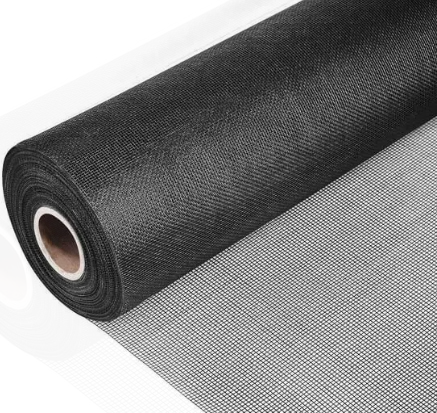
When you look at fiberglass mesh, you see a grid made from thin glass yarns. The mesh feels light but does not break easily. The spaces between the threads let air and materials pass through, which helps when you use it with plaster or cement. You can find fiberglass mesh in rolls or sheets. The color is usually white, but you might see blue, green, or yellow for special uses.
Let’s compare fiberglass mesh to polyester mesh so you can see the differences:
| Property | Fiberglass Mesh | Polyester Mesh |
|---|---|---|
| Composition | Woven from glass fiber yarn | Made from polyester fibers |
| Tensile Strength | High tensile strength | Generally less durable |
| Temperature Resistance | Can withstand high temperatures | Less effective under extreme conditions |
| Corrosion Resistance | Strong tolerance to chemicals | Less resistant to corrosive environments |
| Flexibility | Less flexible, more rigid | Lighter and more flexible |
You now know what is fiberglass mesh and how it stands out from other mesh types. Its strong grid structure and special materials make it a top choice for many building and repair jobs.
Strength and Durability
You want your building materials to last. Fiberglass mesh gives you impressive strength and durability. When you compare it to other materials, you see why many builders choose it. The mesh uses glass fibers woven into a grid. This design helps it handle heavy loads and resist breaking.
Here is a table that shows how strong fiberglass mesh is compared to steel mesh:
| Property | Fiberglass Rebar Mesh | Steel Mesh |
|---|---|---|
| Tensile Strength (MPa) | 1000-1700 | 483-690 |
Fiberglass mesh can handle more pulling force than steel mesh. This means you get a tough material that does not snap easily. You can trust it to reinforce walls, ceilings, and floors.
You also want your mesh to last for years. Under normal use, fiberglass mesh screens can last between 5 to 15 years or even longer. The lifespan depends on how you install it, the quality of the mesh, and how much sun or rain it faces. If you take care of it, you will enjoy strong support for a long time.
Flexibility and Lightweight Nature
You might wonder if strong materials are always heavy. Fiberglass mesh proves that you can have both strength and lightness. The average weight per square meter is only about 145g to 160g. You can easily carry and move it around your worksite.
You will notice that fiberglass mesh bends without breaking. This flexibility lets you use it on curved walls, corners, or uneven surfaces. It fits where you need it, unlike metal mesh, which is more rigid and harder to shape. Plastic mesh is even more flexible, but it does not offer the same strength as fiberglass.
1.Fiberglass mesh is lightweight and flexible.
2.Plastic mesh bends more but is not as strong.
3.Metal mesh is strong but less flexible.
You save time during installation because you can cut and place fiberglass mesh quickly. You do not need to tie or secure it like traditional wire mesh. This makes your work faster and easier.
Resistance to Moisture and Chemicals
You want your mesh to stay strong even when it gets wet or faces chemicals. Fiberglass mesh resists water, so it does not rust or rot. This makes it perfect for bathrooms, kitchens, and outdoor walls.
Most household cleaners and pool chemicals do not harm fiberglass mesh right away. You can use it in places where you clean often. Lawn fertilizers are safe in normal amounts. Some strong pesticides and industrial chemicals can damage the mesh over time. Food spills, like citrus juice or sugary drinks, can also cause problems if you do not clean them up.
1.Fiberglass mesh stands up to most household chemicals.
2.It resists water and does not rust.
3.Strong industrial chemicals and some pesticides can cause damage with long exposure.
4.Clean up spills quickly to keep your mesh in good shape.
If you want to know what is fiberglass mesh, remember that it is a material that gives you strength, flexibility, and resistance to many everyday challenges. You can count on it for many building and repair jobs.
Fire Resistance
You want your building materials to protect you from fire. Fiberglass mesh gives you this safety. The glass fibers in the mesh do not burn easily. When you expose fiberglass mesh to high heat, it stays strong and does not melt quickly. You can use it in places where fire risk is higher, like kitchens or near heating systems.
Here is a table that shows how fiberglass mesh compares to other common materials:
| Material | Reaction to Fire | Melting Point (°F) |
|---|---|---|
| Fiberglass Mesh | Does not burn | 2,000+ |
| Plastic Mesh | Burns and melts | 300-500 |
| Metal Mesh | Does not burn | 2,500+ |
| Paper Tape | Burns easily | 451 |
You see that fiberglass mesh stands up to fire much better than plastic or paper. The mesh slows down the spread of flames. You get more time to react in an emergency.
Easy Handling and Installation
You want your work to go smoothly. Fiberglass mesh helps you do that. The mesh comes in rolls or sheets. You can cut it with scissors or a utility knife. You do not need special tools. The lightweight design makes it easy to carry and place where you need it.
Follow these steps to install fiberglass mesh:
1.Clean the surface. Make sure it is dry and free of dust.
2.Cut the mesh to the size you need.
3.Place the mesh over the area.
4.Apply plaster, cement, or adhesive on top.
5.Smooth out any wrinkles or bubbles.
You finish your job faster because the mesh bends and fits around corners. You do not waste time tying or securing it like metal mesh. You can use fiberglass mesh for walls, ceilings, or floors.
You often see fiberglass mesh used to make walls and ceilings stronger. Builders choose it because it adds support and helps surfaces last longer. Nearly 48% of commercial construction firms use fiberglass mesh tapes for ceiling reinforcement and partition installations. About 30% of high-rise and office projects use these tapes to prevent cracks and improve durability. In Germany, 78% of new residential buildings include mesh in exterior insulation systems. You can see why many professionals trust this material.
Here is a table that shows common applications and their benefits:
| Application Type | Description | Benefits |
|---|---|---|
| Fiberglass Mesh for Concrete | Used for concrete reinforcement to enhance tensile strength and prevent cracking. | Crack Prevention, Lightweight, Corrosion Resistance, Cost-Effective |
| Fiberglass Mesh Tape | Used for drywall and joint reinforcement to prevent cracks. | Drywall Installation, Repair Work, Moisture Resistance |
| Fiberglass Mesh for Plastering | Embedded in plaster applications to enhance strength and flexibility. | Enhanced Flexibility, Improved Adhesion, Lightweight and Easy to Work With |
| Fiberglass Mesh Roll | Used for reinforcement, repair, and insulation in various projects. | Reinforcement, Insulation, Surface Preparation |
| Fiberglass Mesh for Stucco | Provides reinforcement in stucco applications to improve durability. | Crack Resistance, Weather Resistance, Versatile Application |
Preventing Cracks in Plaster and Drywall
Waterproofing Applications
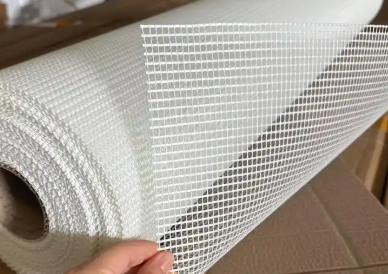
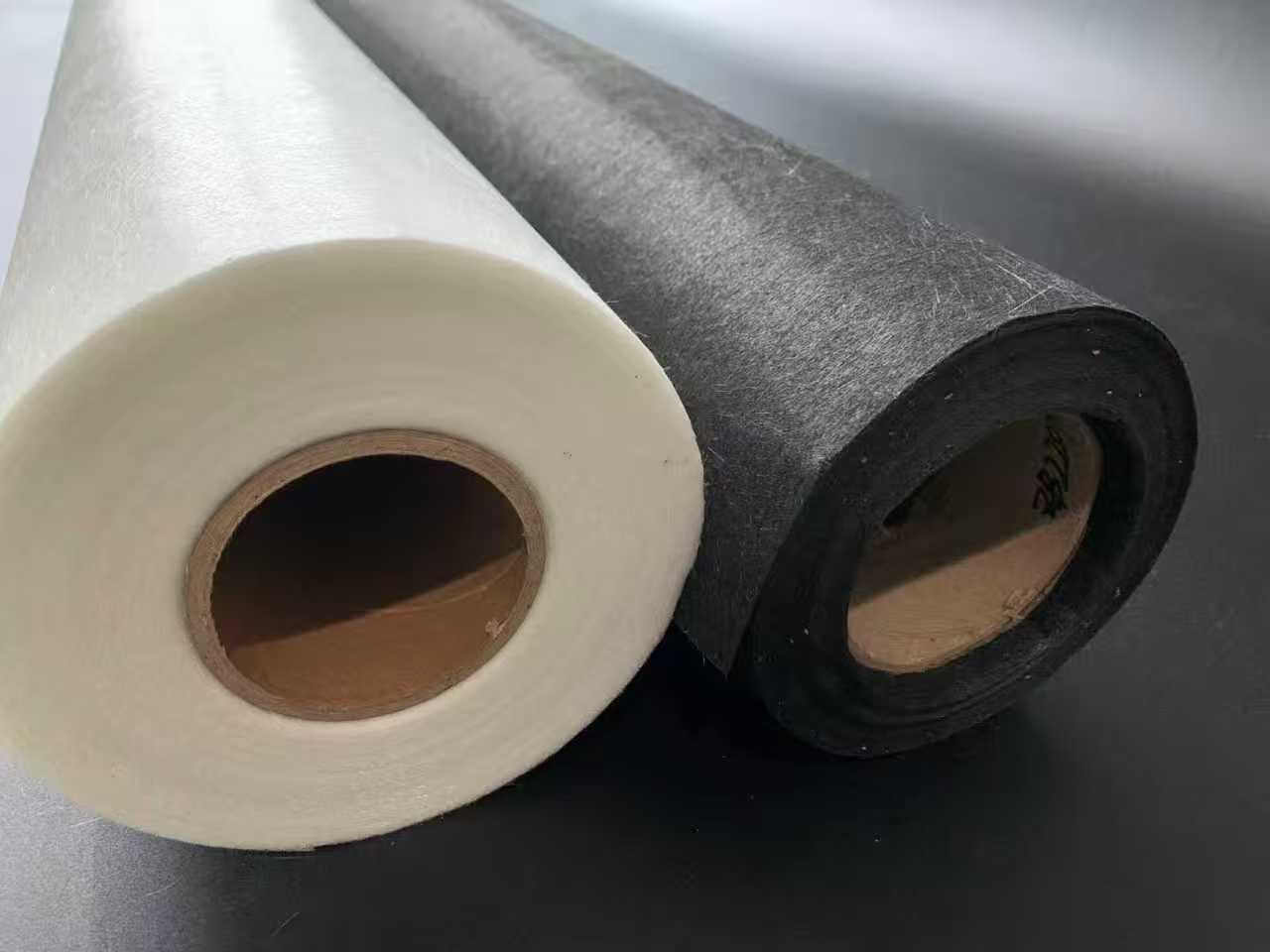
You want smooth walls and ceilings that do not crack over time. Fiberglass mesh helps you achieve this goal. When you use it under plaster or drywall, it spreads stress across the surface. This action stops cracks from forming. Many builders prefer fiberglass mesh tape for joints because it has high tensile strength and strong anti-crack properties.
Let’s compare fiberglass mesh tape to paper tape:
| Material Type | Strengths | Weaknesses |
|---|---|---|
| Fiberglass Mesh Tape | High tensile strength, anti-crack properties | More elastic, higher likelihood of cracks at joints |
| Paper Tape | Less elastic, lower likelihood of cracks | Weaker in ultimate load compared to fiberglass mesh |
You can see that fiberglass mesh tape gives you better strength and crack prevention than paper tape. If you want to know what is fiberglass mesh, remember that it keeps your walls and ceilings looking new for longer.
You can use fiberglass mesh to help keep water out of your home or building. When you add it to waterproofing systems, it forms a barrier that stops water from getting through. This mesh works well in bathrooms, kitchens, and basements. It also helps protect roofs and exterior walls from rain and moisture. The mesh resists mold and does not rot, so you get long-lasting protection.
Fiberglass mesh gives you strong, flexible, and reliable support in many building projects. You can trust it for reinforcement, crack prevention, and waterproofing.
Fireproofing and Heat Protection
You want to keep your home or building safe from fire and heat. Fiberglass mesh helps you do that. The glass fibers in the mesh do not burn easily. You can use fiberglass mesh in areas that face high temperatures, like behind stoves, around fireplaces, or near heaters. The mesh acts as a shield. It slows down the spread of flames and keeps heat from damaging walls or ceilings.
Many builders use fiberglass mesh in fireproof doors and panels. You can also find it in fire-resistant coatings. These coatings protect steel beams and concrete. The mesh holds the coating in place, even if a fire starts. This gives you more time to react and stay safe.
Here is a quick look at where you can use fiberglass mesh for fire safety:
1.Behind kitchen stoves
2.Around fireplaces
3.In fireproof doors and panels
4.Under fire-resistant coatings
You can trust fiberglass mesh to help protect your space from fire and heat.
Filtration, Insulation, and Tile Backing
Fiberglass mesh does more than just reinforce walls. You can use it for filtration, insulation, and as a backing for tiles. The open grid design lets air and liquids pass through, which makes it great for filters. You might see fiberglass mesh in air filters, water filters, or even pool filters. The mesh traps dirt and dust but lets clean air or water flow.
You can also use fiberglass mesh for insulation. The mesh helps hold insulation materials in place. It adds strength and keeps the insulation from sagging or moving. This means your home stays warmer in winter and cooler in summer.
When you lay tiles, you want a strong base. Fiberglass mesh gives you that support. You can place the mesh under tiles in bathrooms, kitchens, or outdoor spaces. The mesh stops tiles from cracking and keeps them in place for years.
Here is a table to show how fiberglass mesh helps in different ways:
| Application | How It Helps |
|---|---|
| Filtration | Traps dirt, lets air flow |
| Insulation | Holds materials, adds strength |
| Tile Backing | Prevents cracks, supports tiles |
You can see that fiberglass mesh is a smart choice for many jobs around your home or building.
Long-Term Performance
You want your building materials to last. Fiberglass mesh gives you strong, reliable support for many years. When you use it indoors, it can last 20 to 30 years. Outdoor use usually gives you 5 to 15 years, depending on sunlight and humidity. You do not have to worry about quick wear and tear. The mesh stands up well to chemicals and moisture. It also handles heat and fire better than many other materials.
Here is a table that shows how fiberglass mesh performs in different conditions:
| Condition | Average Lifespan |
|---|---|
| Indoor Use | Over 30 years |
| Outdoor Exposure | 10–20 years |
| Chemical Exposure | Generally durable |
| Mechanical Stress | Needs inspection |
Cost-Effectiveness
You might notice that fiberglass mesh costs more at first. Over time, you save money because it needs fewer repairs and lasts longer. The mesh does not rust or rot, so you do not have to replace it often. You also spend less on labor because it is easy to install.
Here is a table that compares fiberglass mesh to other materials:
| Aspect | Fiberglass Mesh | Other Materials |
|---|---|---|
| Initial Investment | Higher initial cost | Lower initial cost |
| Long-term Maintenance Costs | Relatively low due to durability | Higher due to frequent repairs |
| Durability | Long-lasting and stable performance | Shorter-term effects |
Versatility in Different Projects
You can use fiberglass mesh in many ways. It works well for wall reinforcement, insulation, waterproofing, and even tile backing. You can use it in bathrooms, basements, kitchens, and outside walls. The mesh also fits projects that need fire resistance or extra strength.
Here are some common uses for fiberglass mesh:
- Wall reinforcement to stop cracks and add stability
- External wall insulation for better energy savings
- Waterproofing in wet areas like bathrooms and basements
- Joint reinforcement in drywall and plasterboard
- Concrete reinforcement in slabs, foundations, and walls
Fiberglass mesh adapts to many environments. It works in humid, hot, or fire-prone places. You get a material that meets many needs in your home or building.
You now know that fiberglass mesh gives you strength, flexibility, and long-lasting support. You can use it for wall reinforcement, tile installation, waterproofing, and more. Here are key reasons to choose fiberglass mesh for your next project:
- Prevents cracks and adds durability
- Works in wet or fire-prone areas
- Easy to handle and install
- Cost-effective for both DIY and professional jobs
| Benefit | Why It Matters |
|---|---|
| Moisture Resistance | Stops mold and water damage |
| Heat Resistance | Protects against high temperatures |
| Corrosion Resistance | Does not rust like metal |
Try fiberglass mesh to make your work stronger and easier.
FAQ
What is the main purpose of fiberglass mesh?
You use fiberglass mesh to reinforce surfaces. It helps prevent cracks in walls, ceilings, and floors. Builders trust it for extra strength and long-lasting results.
Can you paint over fiberglass mesh?
Yes, you can paint over fiberglass mesh. Make sure you cover the mesh with plaster or joint compound first. Let it dry, then apply your paint.
Is fiberglass mesh safe to handle?
Fiberglass mesh is safe if you wear gloves. The fibers can irritate your skin. Always wash your hands after use. Avoid touching your face during installation.
Where should you not use fiberglass mesh?
Avoid using fiberglass mesh in places with strong acids or industrial chemicals. These can damage the mesh over time. For most home projects, fiberglass mesh works well.
Address
info@ruifiber.com
ruifibersales2@ruifiber.com
Phone
Sales: 0086-159-6804-7621
Support: 0086-186-2191-5640
Hours
Monday-Friday: 9am to 6pm
Saturday, Sunday: Closed
WANT TO WORK WITH US?
Post time: Apr-09-2026