
Building a Resilient Future: How Fiberglass Reinforcement Materials Define the Next Generation of Construction and Industry
In today’s era of uncertainty, “resilience” has become a key metric for measuring the survival and development capabilities of everything—from infrastructure and supply chains to social systems. Little known to many, a fundamental material is silently constructing this physical foundation of impact resistance, deformation resistance, and degradation resistance with its inherent “resilience.” It is Fiberglass Reinforcement Materials. From Fiberglass Mesh that resists building deformation, to Corner Tape that protects corner details, to Woven Roving that imparts extraordinary strength to ships and wind turbine blades, these high-performance materials, originating from Made in China, are infusing crucial “resilience genes” into the global fields of construction, transportation, energy, and environmental protection with their exceptional tensile strength, corrosion resistance, and dimensional stability. This article aims to explore how these seemingly basic materials have become the invisible heroes in our response to climate challenges and pursuit of sustainable development.
Climate change-induced extreme weather events—such as stronger hurricanes, more drastic temperature fluctuations, and more frequent seismic activities—pose unprecedented challenges to building safety. Enhancing the physical resilience of buildings has become a consensus among global engineers. In this process, Fiberglass Mesh and its supporting systems play the role of a “building reinforcement nervous system.”
- 1.The “Invisible Armor” Against Structural Stress:Modern high-rise buildings, long-span bridges, and public facilities must withstand dynamic loads and deformation. Fiberglass Mesh For Concrete embedded in key parts of concrete structures can effectively absorb and disperse stress, inhibit crack propagation, and significantly enhance the structure’s crack resistance and durability. In road engineering, Fiberglass Mesh For Asphalt Roads can effectively delay reflective cracking, extending the service life of roads under heavy loads and freeze-thaw cycles—a direct manifestation of infrastructure resilience.
- 2.The “Second Skin” Protecting the Building Envelope:The building facade is the first line of defense against wind and rain, providing insulation and fire protection. Alkali Resistant Fiberglass Mesh produced with 4x4mm 3x4mm Global Leading Technology is the core of Eifs Fiberglass Mesh and Stucco Fiberglass Mesh. It ensures the integrity of the exterior wall cladding under temperature changes and moisture intrusion, preventing detachment and water seepage, thereby protecting the internal structure. The application of Fire Protection Roofing Fiberglass Mesh buys precious time for evacuation and rescue during a fire.
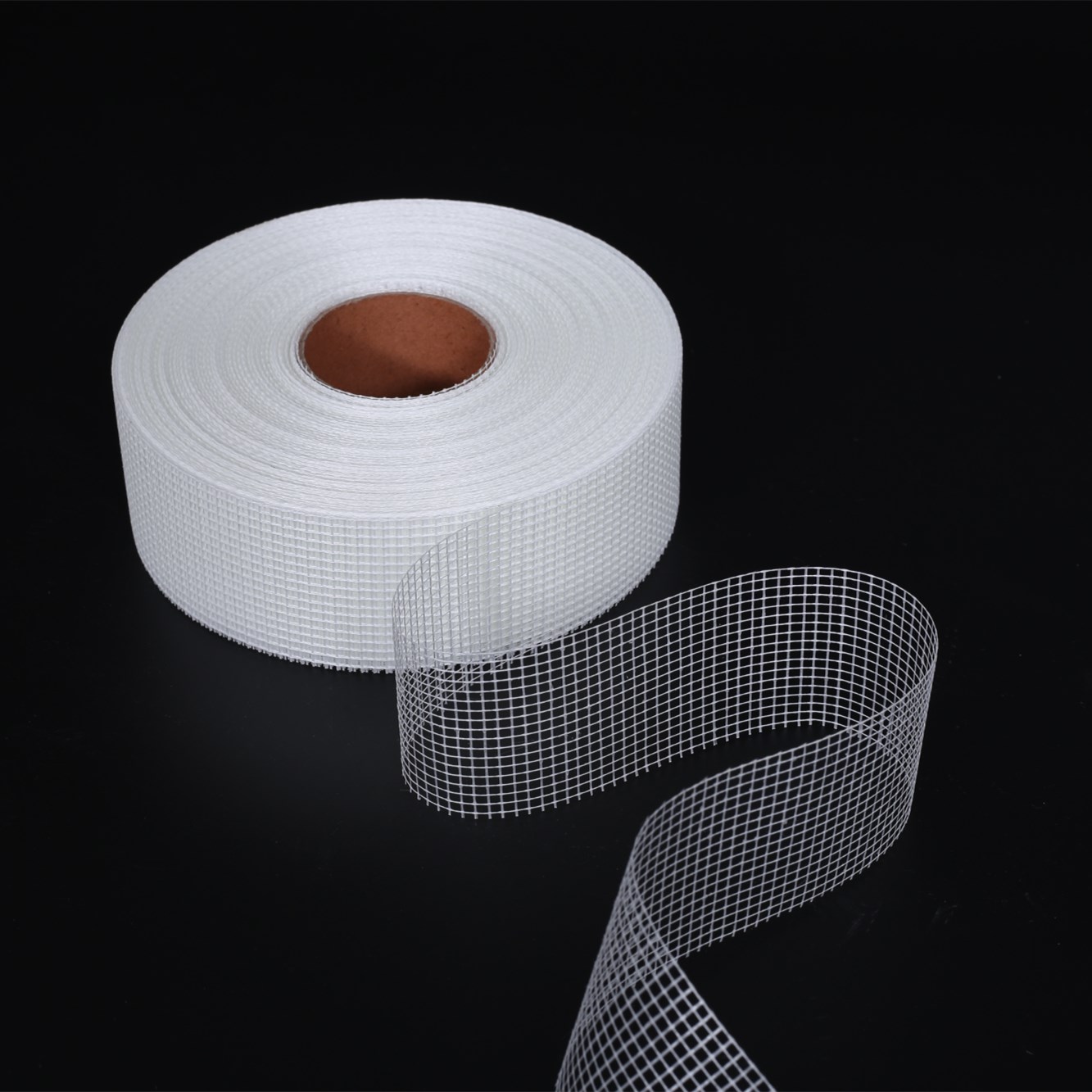
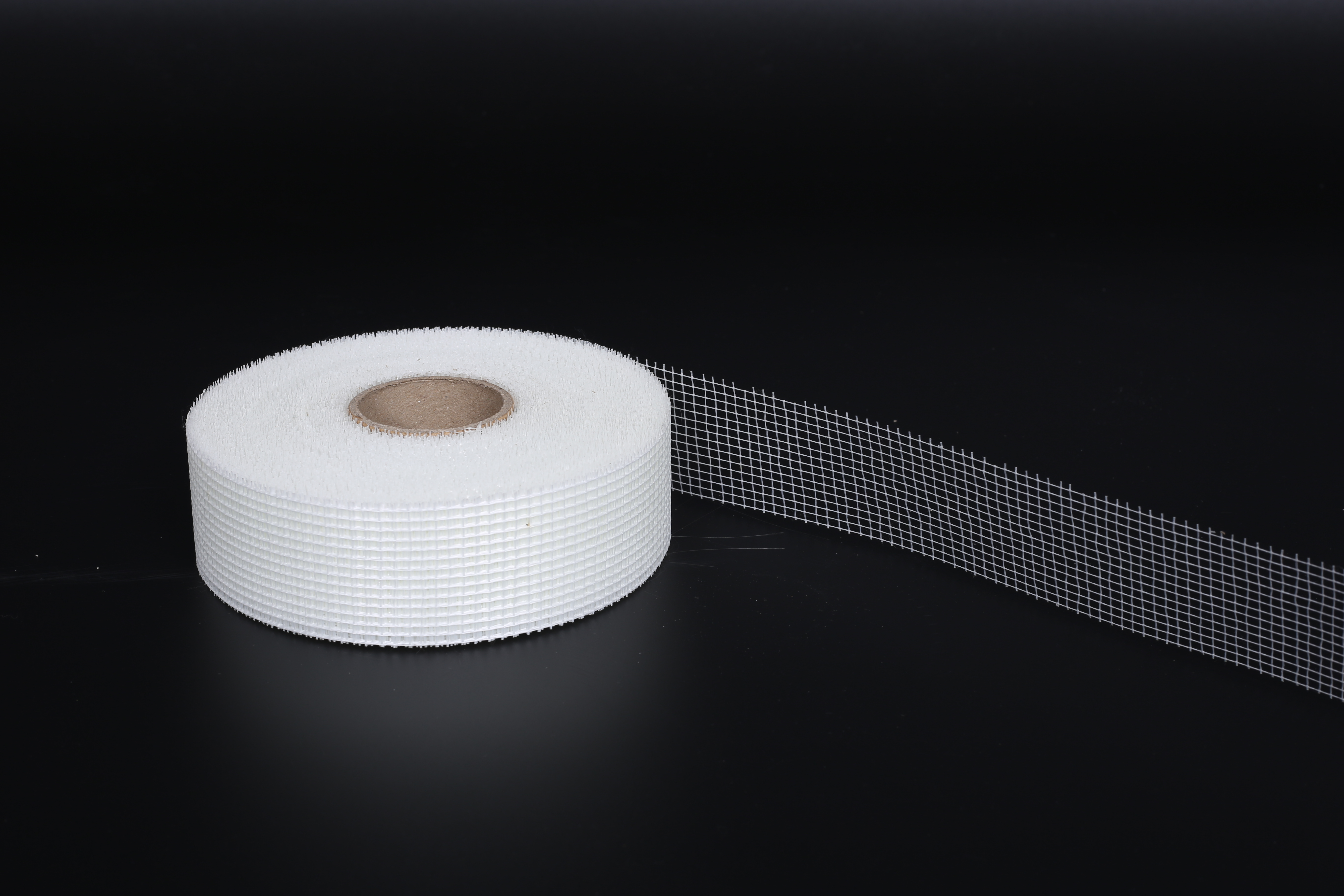
- 3.Details Determine Success:Precise Protection for Corners and Joints: The weak points of a building are often at its corners and panel joints. Metal Corner Bead and Self-Adhesive Fiberglass Mesh Tape form a precise protection system. The former provides rigid protection, shaping straight lines and resisting impacts; the latter perfectly handles joints with its flexibility and high tensile strength, preventing cracking. Professional Wall Repair Patch and Fiberglass Mesh Tape For Cracks can quickly repair existing damage, restoring building integrity. This attention to detail is key to maintaining a building’s aesthetics and functionality over the long term.

“Resilience” in the industrial field means maintaining performance and lifespan under extreme environments. Whether it’s aircraft soaring in the sky, ships cleaving through waves, or offshore wind turbines capturing wind energy, they all place demands on the specific strength (strength-to-weight ratio) and fatigue resistance of materials. Woven Roving and its related fabrics are the ace materials meeting these demands.
- 1.The Pillar of Maritime and Clean Energy: Boat Cloth and Marine-Grade Roving are key to manufacturing FRP hulls, sailboat masts, and offshore platforms. They must resist seawater corrosion, UV aging, and continuous dynamic loads. Similarly, the core of large wind turbine blades is also composed of Heavy Woven Roving. Its exceptional mechanical properties and fatigue resistance ensure that the blades can withstand wind speeds of tens of meters per second and billions of cyclic loads over a design life of twenty years or more. This is the “industrial resilience” supporting the global energy transition.
- 2.The Driving Force Behind Transportation Lightweighting: In the automotive and rail transportation sectors, weight reduction means energy saving and emission reduction. Fiberglass Fabrics and Laminating Roving are used to manufacture body panels, interior parts, engine covers, and other non-load-bearing or secondary load-bearing structural components, achieving significant weight reduction while ensuring strength. Texturized Fiberglass Fabric is often used for parts requiring aesthetics due to its better film covering and surface finish.
True resilience lies not only in resisting damage but also in extending lifecycle and recycling resources. Fiberglass materials show great potential in this regard.
- 1.Durability is Sustainability: Buildings reinforced with Best Fiberglass Mesh have longer maintenance cycles, resulting in lower resource consumption and carbon emissions over their entire lifecycle. Similarly, composite products made from Woven Fiberglass Roving, such as pipes and storage tanks, have a service life of decades due to their excellent corrosion resistance, far exceeding that of traditional metal materials, reducing the environmental burden of frequent replacements.
- 2.Recyclability and Circular Economy: Although challenges remain, recycling technologies for fiberglass composites are rapidly developing. Technological paths such as physical recycling (crushing for use as filler) and pyrolysis recycling (recovering fibers and energy) are maturing. As a responsible Fiberglass Mesh Manufacturers China, we actively and participate in the greening process of the industrial chain, committed to providing products with longer lifespans and higher performance, and offering material-level support for the recyclable design of end products.

.jpg)
.jpg)
The resilience of global industries is inseparable from the resilience of supply chains. Over the past few decades, “China Fiberglass Mesh” has evolved from a cost label to a synonym for Quality, scale, and reliability.
- 1.Complete Industrial Ecosystem: China possesses a complete industrial chain from fiberglass raw materials, fabric weaving, coating treatment, to deep processing. This means clients can obtain a full set of solutions from a Fiberglass Mesh Supplier China, ranging from standard Fiberglass Mesh Roll to highly Customized Fiberglass Mesh, with extremely fast response times.
- 2.Technological Innovation and Rapid Iteration: China’s Fiberglass Mesh Factory are not only large in scale but also actively engaged in technological innovation. Whether developing new products with higher strength or optimizing production processes to reduce energy consumption, Chinese manufacturers are advancing from “manufacturing” to “intelligent manufacturing,” capable of providing the global market with products that combine Good Price And Quality and technological foresight.
- 3.A Stable Foundation Serving the Globe: In the face of global shocks, a diversified, robust, and efficient supply chain is key to resisting risks. The Chinese fiberglass industry, with its vast production capacity, logistics, and rich product lines, has become a trusted raw material base for the global construction, shipbuilding, and composite materials industries, enhancing the supply chain resilience of related global industries.
True resilience lies not only in resisting damage but also in extending lifecycle and recycling resources. Fiberglass materials show great potential in this regard.
- 1.Durability is Sustainability: Buildings reinforced with Best Fiberglass Mesh have longer maintenance cycles, resulting in lower resource consumption and carbon emissions over their entire lifecycle. Similarly, composite products made from Woven Fiberglass Roving, such as pipes and storage tanks, have a service life of decades due to their excellent corrosion resistance, far exceeding that of traditional metal materials, reducing the environmental burden of frequent replacements.
- 2.Recyclability and Circular Economy: Although challenges remain, recycling technologies for fiberglass composites are rapidly developing. Technological paths such as physical recycling (crushing for use as filler) and pyrolysis recycling (recovering fibers and energy) are maturing. As a responsible Fiberglass Mesh Manufacturers China, we actively and participate in the greening process of the industrial chain, committed to providing products with longer lifespans and higher performance, and offering material-level support for the recyclable design of end products.
Address
Head office Add: BLDG#26,MAX Technology Park Phase II,Baoshan District,Shanghai China
Factory Add: Shanghai Ruifiber (Fengxian) Industry Park, Fengxian, Xuzhou, China
info@ruifiber.com
ruifibersales2@ruifiber.com
Phone
Sales: 1-800-694-7466
Support: 1-800-800-2775
Hours
Monday-Friday: 9am to 6pm
Saturday, Sunday: Closed
WANT TO WORK WITH US?
Post time: Feb-26-2026