Choosing the Right Fiberglass Mesh for Building Renovation, Waterproofing and Concrete Reinforcement
1. Construction Trends in 2026: Reinforcement Materials Matter
In 2026, construction companies are paying closer attention to material costs, building renovation, and the long-term performance of building envelopes. Industry coverage from Construction Dive has highlighted cost pressures, infrastructure activity, and changing investment priorities as important factors shaping the construction market. At the same time, concrete repair and exterior insulation systems continue to create demand for reliable reinforcement materials. For contractors, distributors, and building-material manufacturers, selecting the right fiberglass mesh is becoming an important part of controlling project quality and avoiding unnecessary rework.
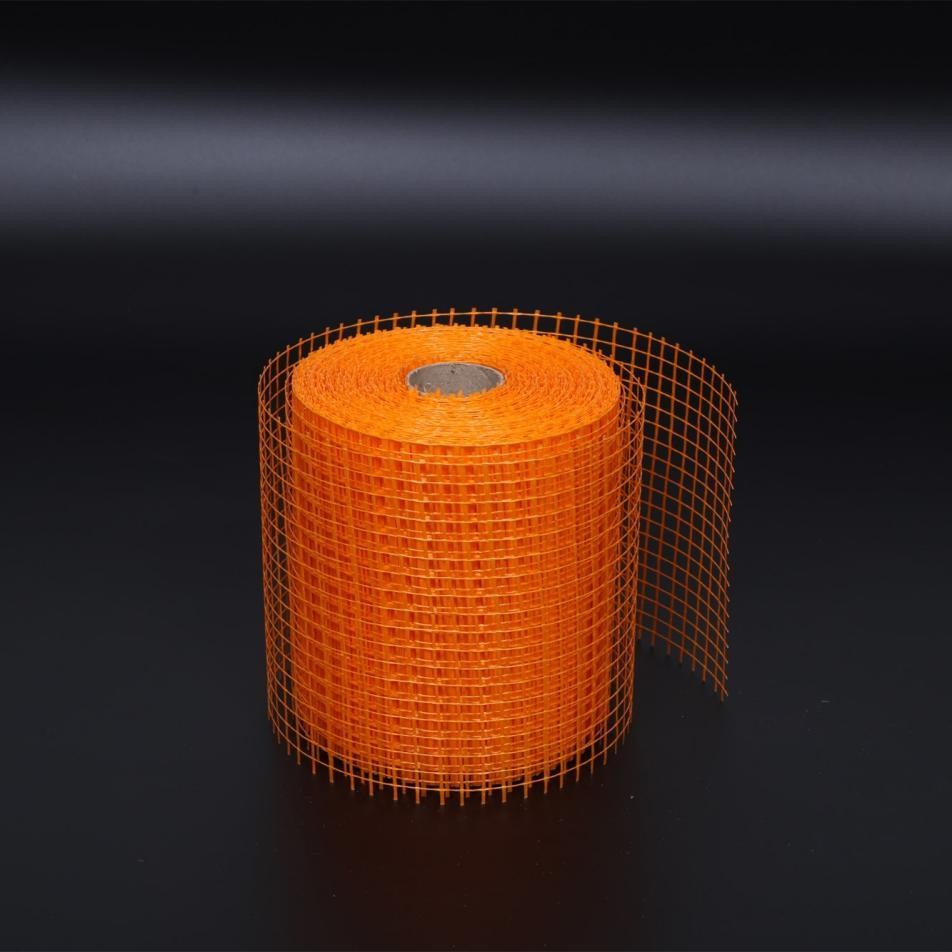
Shanghai Ruifiber Industry Co., Ltd. supplies reinforcement materials for construction and industrial applications, including fiberglass mesh, fiberglass mesh tape, drywall joint products, and related reinforcement solutions. As a manufacturer-oriented supplier serving international customers, Shanghai Ruifiber focuses on connecting product specifications with practical application requirements. From Alkali Resistant Fiberglass Mesh for cement-based systems to Self Adhesive Fiberglass Mesh Tape for joint reinforcement, choosing the correct product requires consideration of the substrate, installation method, expected mechanical performance, and working environment.

2. Case Study: Selecting Fiberglass Mesh for an Exterior Insulation Project
Illustrative application case — the project details below are hypothetical and are not presented as a completed Shanghai Ruifiber customer project.
A building-material distributor is preparing reinforcement materials for a hypothetical residential renovation project involving exterior insulation and finish systems (EIFS). The building has multiple façade sections, including large wall surfaces, window openings, and areas exposed to greater mechanical impact. The distributor initially considers using one standard mesh specification throughout the project to simplify purchasing and reduce inventory.
However, a single specification may not meet every requirement. Large façade areas need reinforcement compatible with the base coat and insulation system, while vulnerable areas around entrances and lower wall sections may require additional impact protection. In this situation, EIFS Fiberglass Mesh and heavier-duty reinforcement options should be evaluated according to the system manufacturer's specifications and the expected service conditions.
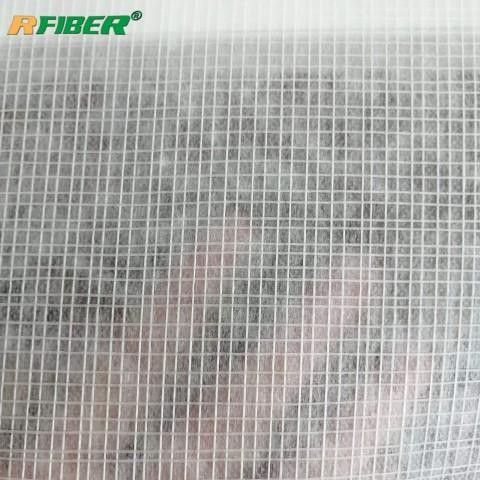
For the main façade, the project team should review the mesh weight, opening size, tensile properties, coating compatibility, and alkali resistance. Cement-based base coats create an alkaline environment, making Alkali Resistant Fiberglass Mesh an important candidate for suitable applications. The mesh must be embedded correctly within the specified reinforcement layer; simply placing a stronger mesh on the wall does not compensate for incorrect installation, insufficient base-coat coverage, or poor substrate preparation.
3. Concrete Repair and Crack Control: How to Select the Right Mesh
Concrete repair projects present different reinforcement challenges. Shrinkage, temperature changes, substrate movement, and differences between old and new materials can contribute to cracking. For compatible repair systems, Fiberglass Mesh For Concrete may help distribute stress and control crack development when correctly specified and embedded within the repair layer.
Consider a hypothetical commercial building undergoing renovation. The contractor discovers recurring surface cracks on selected cement-rendered wall areas. Instead of immediately increasing the thickness of the repair mortar, the team examines the crack pattern, substrate condition, moisture exposure, and whether the cracks are superficial or associated with structural movement. A compatible fiberglass reinforcement mesh may be considered for suitable non-structural repair areas, while cracks caused by ongoing structural movement require separate assessment and treatment.
When evaluating Fiberglass Mesh, buyers should distinguish between ordinary reinforcement mesh and mesh designed for alkaline cement-based environments. They should also examine tensile strength, mesh-node integrity, coating condition, and compatibility with the repair compound. The best choice is not necessarily the heaviest product, but the one that satisfies the system requirements and can be installed consistently under actual site conditions.
4. Waterproofing Applications: Fiberglass Mesh Tape and Roofing Reinforcement
Waterproofing performance depends on the complete system, including the substrate, primer, membrane or coating, reinforcement, joints, and installation quality. Fiberglass Mesh Tape For Waterproofing may be used in compatible waterproofing systems to reinforce selected joints, corners, and transitions. Roofing Fiberglass Mesh can also be considered for applications in which the membrane or coating manufacturer specifies fiberglass reinforcement.
For example, in a hypothetical rooftop refurbishment, a contractor identifies vulnerable areas around drain outlets, parapets, and wall-to-roof transitions. The correct approach is to assess the existing waterproofing system, remove unsound layers where necessary, repair the substrate, and select compatible reinforcement and coating materials. Mesh tape can help reinforce suitable details, but it does not replace proper drainage design, substrate preparation, or the correct application of the waterproofing membrane.
For buyers searching for Fiberglass Mesh Tape, Self Adhesive Fiberglass Mesh Tape, or Fiberglass Mesh Tape For Waterproofing, product selection should reflect the intended application. A self-adhesive tape designed for drywall joint reinforcement should not automatically be assumed suitable for an exposed roofing membrane. Adhesive compatibility, substrate condition, temperature range, moisture exposure, and the complete system's requirements must be checked before specifying the product.
5. Corner Tape and Wall Corner Tape for Drywall Finishing
Drywall construction requires consistent joint finishing and durable external corners. Paper joint tape, fiberglass mesh tape, and Corner Tape serve different purposes and should be selected according to the finishing system, installation method, and expected impact exposure. Wall Corner Tape and metal-reinforced corner products are particularly relevant when contractors need a defined corner profile and additional protection against everyday impacts.
In a hypothetical office renovation, the contractor needs to finish hundreds of internal wall corners and drywall joints. Using the same product for every location may not be the most efficient approach. Flat joints may be suited to an appropriate joint tape and compound system, while exposed external corners may benefit from a purpose-designed corner reinforcement product. Correct installation, proper compound coverage, and adequate drying time remain essential to achieving a smooth finish.
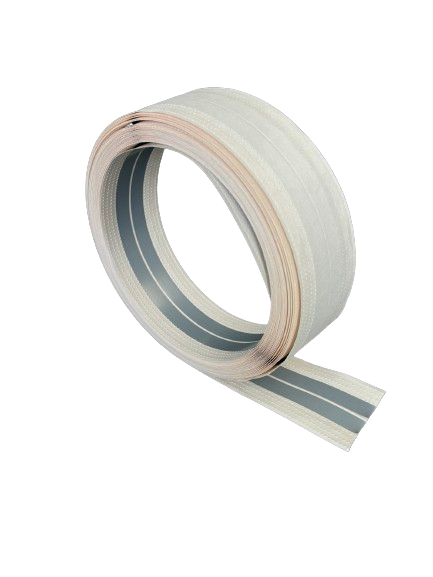
For distributors comparing Corner Tape options, important considerations include corner geometry, reinforcement structure, corrosion resistance where metal components are present, roll or strip dimensions, and compatibility with the selected compound. Shanghai Ruifiber offers construction-related reinforcement products designed for different finishing requirements, helping buyers identify suitable options for their product portfolios and project specifications.
6. Fiberglass Mesh, Woven Roving and Open-Weave Reinforcement
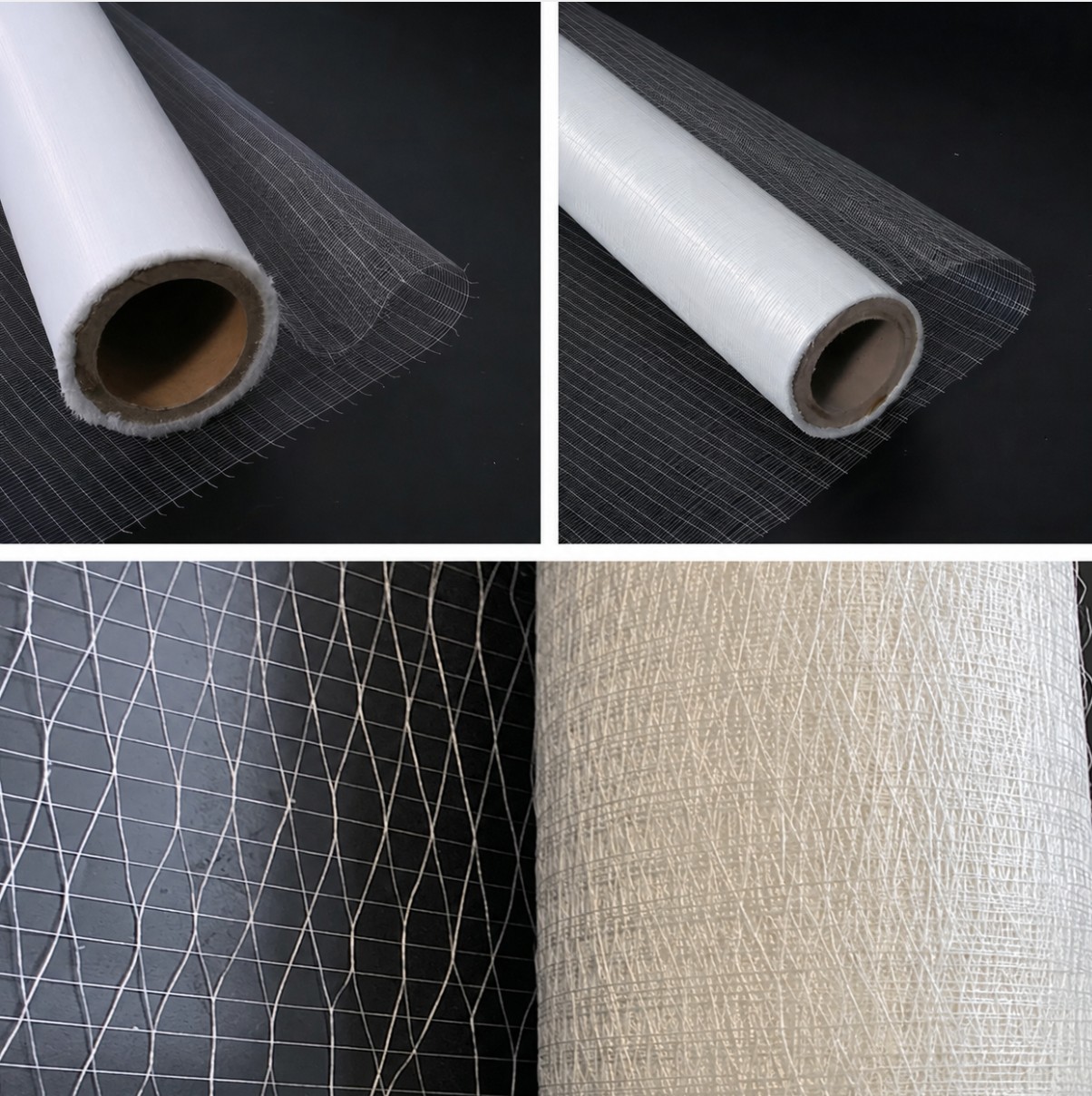
Not every reinforcement application requires the same fabric structure. Fiberglass mesh is commonly evaluated for construction reinforcement, while woven fiberglass fabrics serve different roles in composite manufacturing. Woven Roving, Woven Fiberglass Roving, and Roving Fabric are relevant terms for buyers looking for heavier structural reinforcement fabrics for compatible resin-based applications.
Heavy Woven Roving and Coarse Weave Fiberglass may be considered where a heavier reinforcement structure is required. Open-Weave Roving and Bulk Fabric are additional product terms that buyers may encounter when comparing reinforcement fabrics for composite laminates. The appropriate construction depends on the required fabric weight, yarn arrangement, resin system, laminate thickness, and processing method.
For marine and composite manufacturers, Boat Cloth, Marine-Grade Roving, and Laminating Roving are search terms associated with reinforcement for suitable marine laminates and composite products. However, the final fabric must be selected according to the design and resin compatibility requirements of the intended application. A reinforcement fabric suitable for a general laminate should not automatically be regarded as certified or qualified for every marine application.
The distinction between construction mesh and woven reinforcement fabric is important for procurement. Fiberglass mesh designed for embedding in a cementitious base coat is not interchangeable with woven roving designed for a resin laminate. Buyers should identify the end product first, then confirm the reinforcement type, technical specifications, and relevant test requirements with the manufacturer.
7. Why Source from a Fiberglass Mesh Manufacturer in China?
For international distributors and construction-material buyers, sourcing from China can provide access to a broad range of reinforcement products and manufacturing options. However, evaluating Fiberglass Mesh China suppliers requires more than comparing quotations. Buyers should examine manufacturing capability, product consistency, technical support, packaging, lead times, and the supplier's ability to maintain agreed specifications across repeat orders.
Shanghai Ruifiber combines manufacturing-related capabilities with international sales and supply coordination. For buyers comparing Fiberglass Mesh Manufacturers China, China Fiberglass Mesh suppliers, or a Fiberglass Mesh Supplier China, a practical evaluation should focus on whether the supplier understands the intended application and can provide suitable product information, samples, and a clear quotation process.
Whether a buyer searches for Fiberglass Mesh Manufacturers, Fiberglass Mesh Suppliers, or a Fiberglass Mesh Manufacturer for a long-term supply arrangement, the most valuable partnership is based on clear specifications, realistic performance expectations, and consistent communication. Factory-oriented sourcing can be particularly useful when customers require product customization, repeat orders, or coordination between several related reinforcement products.
8. Contact Shanghai Ruifiber for Reinforcement Solutions
Shanghai Ruifiber supplies reinforcement materials for construction, drywall finishing, waterproofing, and related industrial applications. Our product range includes fiberglass mesh, self-adhesive fiberglass mesh tape, corner reinforcement products, and other fiberglass reinforcement materials. We work with international buyers seeking practical product options for building-material distribution, manufacturing, and project-based procurement.
If you are sourcing Alkali Resistant Fiberglass Mesh, Eifs Fiberglass Mesh, Fiberglass Mesh Tape, Wall Corner Tape, or woven fiberglass reinforcement fabrics, please share your application, required specifications, estimated order quantity, and destination market. Our team can use this information to identify relevant product options and discuss samples, technical documentation, and quotation requirements.
Contact Shanghai Ruifiber to discuss your next reinforcement project and find a suitable supply solution for your market.
Address
Head office Add: BLDG#26,MAX Technology Park Phase II,Baoshan District,Shanghai China
Factory Add: Shanghai Ruifiber (Fengxian) Industry Park, Fengxian, Xuzhou, China
Lgl_1100@vip.163.com
Ruifibersales2@ruifiber.com
Phone
0086-21-56659615(Sales dept)
0086-18621915640
0086-1561815 6160
Hours
Monday-Friday: 9am to 6pm
Saturday, Sunday: Closed
WANT TO WORK WITH US?
Post time: Oct-14-2026