
High above a bustling construction site, a specialized crew unrolls a layer of reinforcement mesh over a complex roofing structure. The wind is brisk, and the material must remain perfectly flat, resisting the urge to curl or fray at the edges while workers apply the waterproofing membrane. In these high-stakes environments, the invisible engineering within the fabric—the specific way each thread is interlaced—is what prevents future cracks and structural failures.
As a premier Warp and Weft Knitting Industrial Mesh Solution Supplier, Shanghai Ruifiber Industry Co., Ltd. has spent years refining the mechanical interplay of fibers to ensure that industrial meshes perform under the most rigorous conditions. By integrating sophisticated knitting and laying techniques, the company provides essential reinforcement that acts as the “skeleton” for modern building and industrial materials.
The Foundation of Performance: Decoding Fabric Weaving Technologies
The structural integrity of industrial meshes used in construction, waterproofing, and composite materials is not accidental. It is a direct result of the chosen weaving or knitting process. These methods dictate how the mesh responds to stress, how much it stretches, and how well it bonds with resins or cements. For industries requiring high dimensional stability and tensile strength, understanding the nuances between warp knitting, weft insertion, and laid scrim is the first step in selecting the right material for a specific application.
Shanghai Ruifiber Industry Co., Ltd. leverages these diverse technologies to address the diverse needs of its global clientele. Based in Shanghai with a sprawling 20,000-square-meter manufacturing facility in Fengxian, Xuzhou, the company has established itself as a reliable Industrial Fiberglass Mesh Supplier since 2018. Their expertise lies in manipulating fiber architecture to maximize the performance of every square meter of fabric produced.
Comparative Advantage: Warp Knitting vs. Weft-Insertion and Laid Scrim
The technical choice between different fabric weaving technologies often comes down to the balance of strength, weight, and elasticity required by the end-user.
Warp Knitting: The Resilience Specialist
In warp knitting, yarns run vertically down the length of the fabric. Each yarn follows a zigzag path, interlocking with adjacent yarns to create a highly stable, run-resistant structure. For RFIBER, this technology is the backbone of their External Thermal Insulation Composite Systems (ETICS) and Exterior Insulation and Finish Systems (EIFS) meshes. Warp-knitted fabrics offer exceptional alkali resistance and tear strength. Because the loops are interlocked sideways, the mesh maintains its shape even when subjected to the multi-directional stresses of building expansion and contraction.
Weft-Insertion and Laid Scrim: The Precision Enhancers
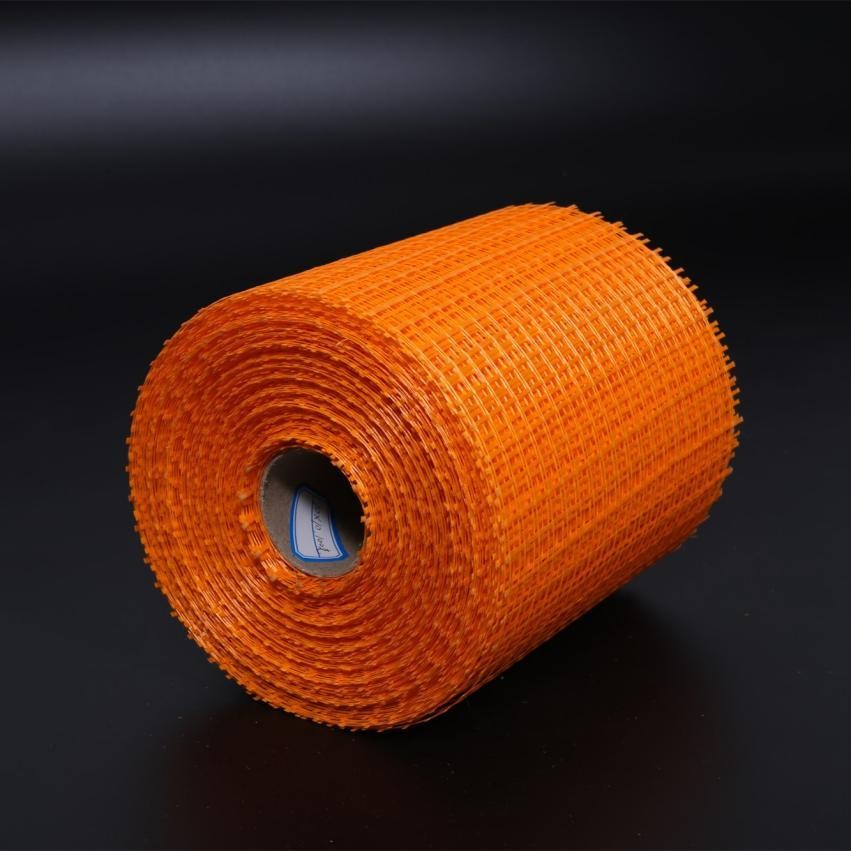
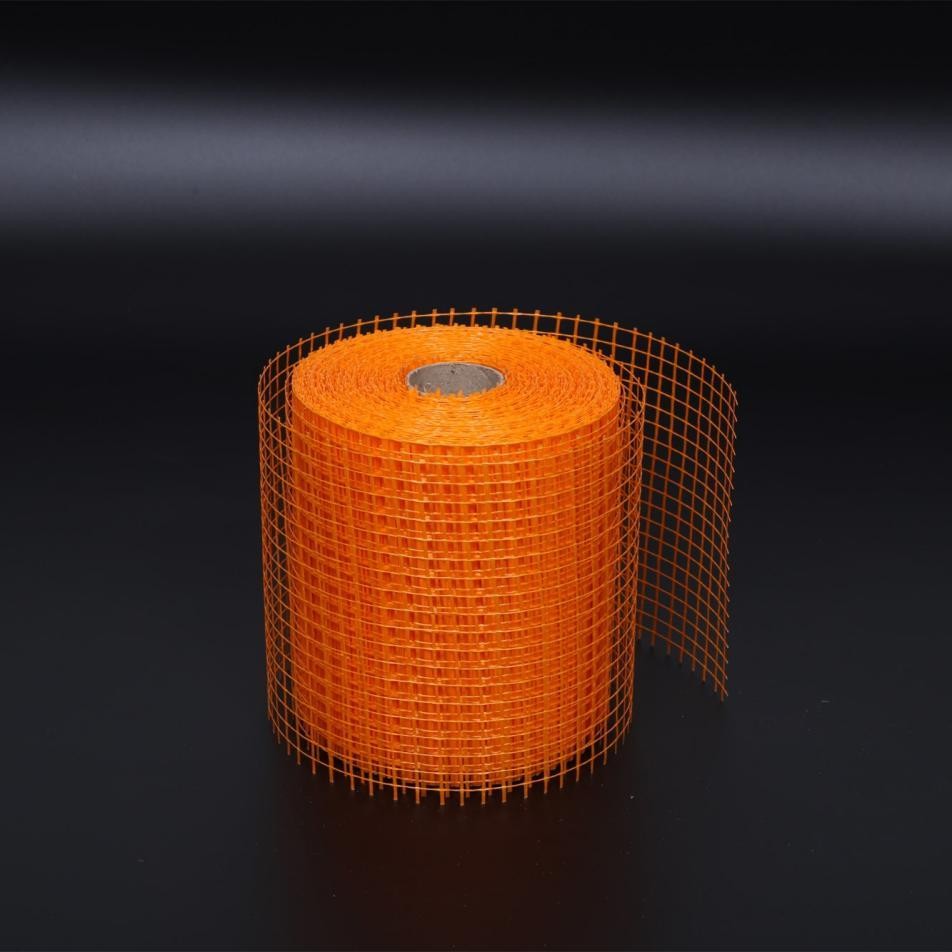
While traditional weft knitting is known for flexibility, industrial weft-insertion and laid scrim technologies focus on minimizing stretch. RFIBER’s laid scrim is a non-woven structure where warp and weft yarns are laid on top of each other and chemically bonded. This process creates a mesh that is incredibly flat and thin, with near-zero elongation. This is particularly advantageous for waterproofing membranes and flooring reinforcements, where a bulky or stretchy mesh would compromise the uniformity of the composite layer.
RFIBER’s Technical Path to Enhanced Mesh Performance
Shanghai Ruifiber Industry Co., Ltd. does not merely manufacture mesh; they engineer performance through specific production practices. Their approach to fabric weaving technologies involves three distinct paths:
High-Density Warp Knitting: Utilizing advanced multi-bar warp knitting machines, RFIBER produces high-density meshes that prevent yarn displacement. This is critical for wall reinforcement, where even a slight shift in the mesh can lead to surface cracks in the plaster or stucco.
Optimized Laid Scrim Production: For the roofing and flooring sectors, RFIBER employs a specialized “no-twist” laying process. By keeping the fibers straight and flat, they maximize the surface area available for bonding. This reduces the amount of resin or bitumen needed to saturate the fabric, leading to lighter, more cost-effective final products without sacrificing strength.
Chemical and Mechanical Synergy: Beyond the weave, RFIBER treats its meshes with specialized coatings, such as alkali-resistant acrylic or modified bitumen-compatible binders. This ensures that the mechanical strength provided by the warp and weft knitting is preserved even when embedded in highly alkaline cementitious environments.
Solving Industry Pain Points Through Technical Expertise
The practical application of these technologies is where the value of a specialized Industrial Fiberglass Mesh Supplier becomes clear. In the construction of building facades, the primary challenge is managing thermal stress. RFIBER’s warp-knitted meshes provide the necessary tensile modulus to absorb these stresses, effectively solving the problem of stress cracking in plaster layers.
In the realm of waterproofing, the challenge is often the trade-off between thickness and durability. By utilizing ultra-thin laid scrims, RFIBER allows manufacturers to produce thinner, more flexible waterproofing rolls that are easier for contractors to install on-site, while still meeting high-burst strength requirements. Furthermore, in the production of composite materials, the company’s biaxial structures ensure that strength is balanced across both the longitudinal and transverse directions, preventing the warping or deformation often seen in inferior reinforced laminates.
Standardization and the Future of Industrial Fabrics
As the industry moves toward lighter and more specialized materials, the role of precision weaving becomes increasingly important. The current trend in industrial fabrics is not about radical shifts, but rather the incremental optimization of fiber density, coating chemistry, and weight reduction. RFIBER stays at the forefront of this trend by maintaining a highly skilled R&D team that focuses on “fine-tuning” the mesh for specific substrates like cement board, marble, or PVC.
Shanghai Ruifiber Industry Co., Ltd. has earned the trust of world-class clients across North America, Europe, and the Middle East by delivering consistent quality. Their commitment to research and development ensures that their warp and weft knitting solutions are not just off-the-shelf products, but precision-engineered components designed to enhance the lifespan of the structures they reinforce. By mastering these diverse fabric weaving technologies, RFIBER continues to set a benchmark for reliability in the global high-performance materials market.
For more information on industrial reinforcement solutions, visit: https://www.ruifiber.com/.
Post time: Aug-12-2026