
How Paper and Metal Corner Tape Stack Up Against Each Other
If you want the best result for most drywall corners, you should use paper tape. Many installers choose this type because it offers a balance of flexibility and cost. The table below shows how paper tape and metal corner tape compare in popularity:
| Type of Tape | Market Share (%) |
|---|---|
| Paper Drywall Joint Tape | 48.2 |
| Metal Drywall Joint Tape | 11.8 |
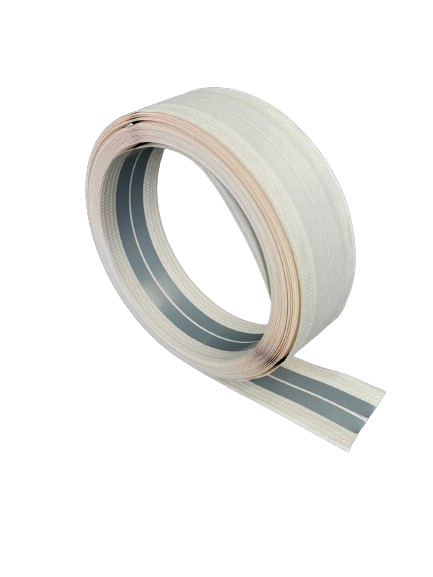
You may wonder what makes each tape unique. Paper tape uses paper material and works well for inside corners on drywall or plaster. Metal corner tape uses metal and gives greater strength for high-traffic areas. Your choice matters because it affects how well your wall patch holds up, especially if you plan to use fiberglass mesh or laid scrim in the project.
Corner Tape Durability
Resistance to Cracks and Dents
You want your drywall corners to last. Cracks and dents can make your walls look old and worn. Paper tape gives you a smooth finish, but it does not protect well against dents. If you bump a corner with a vacuum or a chair, paper tape can tear or crack. You may need to repair these corners more often.
Metal corner tape adds strength to your walls. The metal strips inside the tape help stop dents and cracks. When you use metal tape, you get a tough edge that stands up to bumps. This makes it a good choice for places where people or objects hit the walls often.
Performance in High-Traffic Areas
Busy spaces need strong corners. You see this in hallways, entryways, and commercial buildings. The table below shows how each type of tape performs in these areas:
| Type of Tape | Durability in High-Traffic Areas | Recommended Use |
|---|---|---|
| Metal Corner Tape | High | Busy hallways |
| Paper Corner Tape | Low | Low-traffic areas |
Metal corner tape works best in high-traffic zones. It keeps corners looking sharp, even when people brush against them every day. Paper tape fits better in bedrooms or offices where there is less movement. You can save money by using paper tape in these quiet spots.
When you choose corner tape, think about where you will use it. Strong tape means fewer repairs and less work for you in the future.
Corner Tape Installation Process
Cutting and Handling Ease
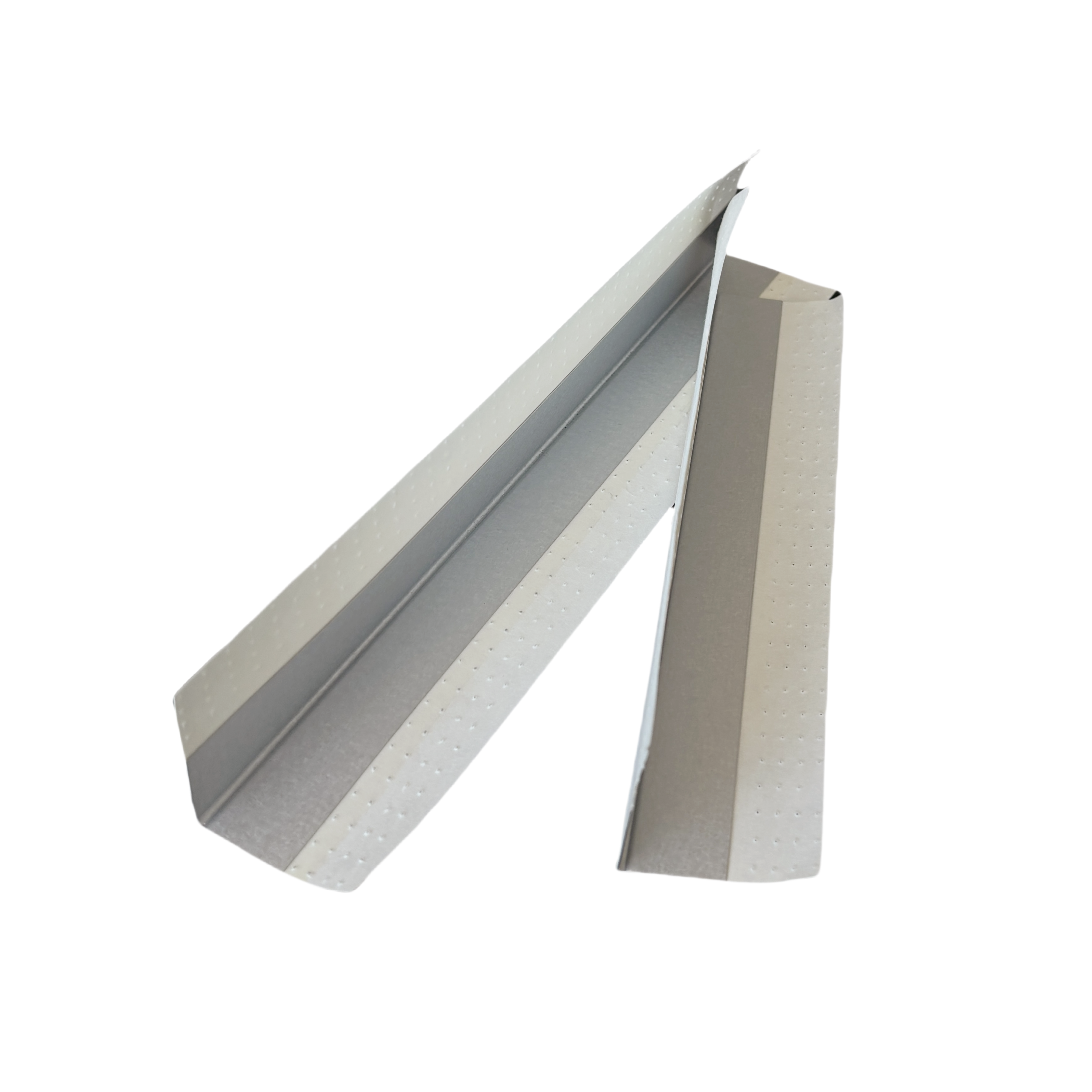
You will notice a difference when you cut and handle each type of corner tape. Paper tape feels light and flexible. You can cut it with scissors or a utility knife. It bends easily to fit inside corners. Metal corner tape feels stiffer and heavier. You need tin snips to cut through the metal strips. This tape can dent if you drop it or press too hard. If it dents, you cannot fix it. You must replace the damaged piece. In damp rooms, metal tape can rust, which weakens the corner and makes it look bad. Paper tape can peel or crack, especially if you use it over metal. If you hit the corner, the tape may tear or come off, showing cracks.
Required Tools
You need different tools for each type of tape. For metal corner tape, you will use:
1.Tape measure
2.Utility knife
3.Tin snips
4.Drywall screws or nails
5.Hammer or screwdriver
7.Joint compound
8.Drywall taping knife
9.Sandpaper or sanding sponge
10.Paint or primer
11.Corner bead clincher
For paper-faced beads, you may want special tools like a drywall corner bead hopper and a corner bead roller. These tools help you work faster and make the finish smoother. If you do not have these tools, the job may take longer and look less neat.
Common Installation Issues
You may face some problems when you install corner tape. The table below shows the most common issues:
| Issue | Description |
|---|---|
| Rust | Metal corner beads can rust in humid rooms. This weakens the corner and causes stains. |
| Durability Issues | Metal beads can dent from bumps. You cannot repair dents, so you must replace the tape. |
| Installation Challenges | Screws can crack the wall as it settles, causing the tape to move or come loose. |
Corner Tape Finish Quality
Smoothness of Finished Surface
You want your walls to look smooth and even. Paper tape helps you get a flat finish because it blends well with joint compound. You can press paper tape into corners without much trouble. When you sand the dried compound, you get a surface that feels soft to the touch. This makes painting or adding texture easier.
Metal corner tape gives you a straight edge. You see crisp lines on outside corners. The metal inside the tape keeps the shape strong. Sometimes, you may notice a small ridge where the metal meets the drywall. You need to apply extra compound and sand carefully to hide this line. If you rush, the corner may look uneven.
Compatibility with Paint and Texture
You want your paint or texture to stick well. Paper tape works with most paints and wall textures. You can use latex or oil-based paint. You can also add knockdown or orange peel texture. The tape does not show through if you use enough compound.
Metal corner tape also works with paint and texture. You must cover the metal fully with compound. If you leave metal exposed, paint will not stick, and rust can form. Take your time to cover all edges. This helps your finish last longer.
- 1.For smooth walls, use paper tape.
- 2.For sharp, strong corners, use metal tape.
You can choose the right Corner Tape by thinking about the finish you want and the room’s needs.
Corner Tape Cost Analysis
Material Costs
You need to look at the price of each tape before you start your project. Paper tape costs less than metal tape. You can buy paper tape in large rolls. This helps you cover many corners without spending much money. Metal corner tape costs more because it uses metal strips. You pay extra for the strength and durability. If you have a tight budget, paper tape saves you money. Metal tape works best when you want strong corners and do not mind paying more.
Here is a simple table to show the average cost per foot:
| Tape Type | Average Cost per Foot |
|---|---|
| Paper Tape | $0.05 |
| Metal Corner Tape | $0.20 |
Labor and Time Investment
You must think about how much time and effort you will spend. Paper tape installs quickly. You cut it with scissors and press it into place with joint compound. You can finish many corners in a short time. Metal corner tape takes longer. You need tin snips to cut it. You must use screws or nails to secure it. You spend more time making sure the metal sits straight and does not dent.
If you hire a professional, labor costs go up with metal tape. The installer needs more skill and time. You pay more for the extra work. If you do the job yourself, you save money with paper tape. You finish faster and use fewer tools.
- 1.Paper tape: Fast and easy for DIY projects.
- 2.Metal tape: Slower and needs more skill.
Best Use Cases for Corner Tape
Residential Applications
You want your home to look neat and last a long time. Paper tape works well for most rooms in your house. You can use it to finish inside corners on drywall. It folds easily and gives you sharp angles. You can use automatic finishing tools with paper tape, which helps you work faster and get a smooth finish. Mesh tape does not fit into corners like paper tape does.
Here are the most common uses for paper tape in homes:
- 1.Finish inside corners in bedrooms, living rooms, and hallways
- 2.Create sharp, clean angles on walls and ceilings
- 3.Speed up work with automatic taping tools
If you want to save money and time, paper tape is a smart choice for most rooms. You get a smooth look and easy installation.
Commercial Applications
You see more metal corner tape in schools, offices, and stores. These places have a lot of people moving around. Metal corner tape gives you strong corners that do not chip or dent easily. Contractors like metal tape because it costs less than vinyl or composite options. You can cut it with tin snips and attach it with nails or screws. This makes the job simple and fast. Metal tape also gives you a sharp, clean edge that looks good for a long time.
Contractors choose metal corner tape for these reasons:
- 1.It stays strong and resists damage in busy areas
- 2.It costs less than other heavy-duty options
- 3.You can install it with basic tools
- 4.It gives a crisp, professional finish
If you work in a commercial space, you want corners that last. Metal tape helps you keep walls looking new, even with heavy use.
FAQ
What is the main difference between paper and metal corner tape?
Paper tape uses paper and works best for inside corners. Metal corner tape has a metal strip for extra strength. You use metal tape for outside corners or high-traffic areas.
Can you paint over both types of corner tape?
Yes, you can paint over both. Make sure you cover the tape with joint compound first. Sand the area smooth before painting for the best finish.
Which tape is easier for beginners to install?
Paper tape is easier for most beginners. You cut it with scissors and press it into place with joint compound. Metal tape needs tin snips and careful handling.
Does metal corner tape rust over time?
Metal corner tape can rust if exposed to moisture. You should use it in dry areas. For bathrooms or basements, choose rust-resistant or vinyl options.
How do you fix a damaged corner tape?
Remove loose tape or metal. Clean the area. Apply new tape with joint compound. Let it dry, then sand and paint. You can fix small dents or cracks this way.
Address
info@ruifiber.com
ruifibersales2@ruifiber.com
Phone
Sales: 0086-159-6804-7621
Support: 0086-186-2191-5640
Hours
Monday-Friday: 9am to 6pm
Saturday, Sunday: Closed
WANT TO WORK WITH US?
Post time: Apr-21-2026