
In a modern wind farm, turbine blades exceeding 80 meters in length endure immense mechanical stress and environmental fatigue. The structural stability of these massive components, much like the reinforced hulls of marine vessels or the insulated panels in industrial cold storage, relies on an internal reinforcement framework that is often invisible to the naked eye.
In these demanding environments, Advanced Composite Felt and Scrim Solutions for Global Industries serve as the foundational architecture, ensuring that resin-rich structures maintain their shape, strength, and durability over decades of service. Industry data indicates that the global composite materials market is expanding steadily, with a compound annual growth rate (CAGR) of approximately 5% to 7% expected through 2030, driven largely by the need for lightweight, high-strength materials in infrastructure and energy sectors.
A Specialized Partner in Industrial Reinforcement
Shanghai Ruifiber Industry Co., Ltd., headquartered in Shanghai, serves as a pivotal supplier in this evolving material landscape. Since 2018, the company has concentrated its efforts on the research, development, and distribution of high-performance non-woven materials. Operating a modern manufacturing base that spans over 20,000 square meters in Fengxian, Xuzhou, RFIBER has established itself as a reliable source for composite felt and scrim solutions that address the specific physical requirements of multi-layered material systems.
The integrity of a composite part is rarely the result of a single material; rather, it is the synergy between the resin matrix and the reinforcement layers. By focusing on the precision of fiber orientation and the consistency of the bonding agents, Shanghai Ruifiber Industry Co., Ltd. provides the technical “skeleton” required to prevent delamination and structural failure in finished industrial products.
Enhancing Structural Integrity through Core Product Technologies
To maximize the performance of composite structures, RFIBER offers a comprehensive range of reinforcement products, each engineered for specific mechanical outcomes. These products are designed to integrate seamlessly into various manufacturing processes, from vacuum infusion to continuous pultrusion.
Fiber Mats and Non-woven Solutions
The product portfolio includes Chopped Strand Mat (CSM), continuous filament mats, and stitch-bonded composite felts. These materials provide a uniform distribution of fibers, which is essential for achieving an isotropic strength profile in a molded part. Unlike standard textiles, these specialized mats offer high tensile strength and a specific fiber architecture that enhances interlaminar shear strength. This ensures that when a composite panel is subjected to impact, the energy is distributed across the reinforcement network rather than concentrated on a single point of failure.
Advanced Scrim and Mesh Engineering
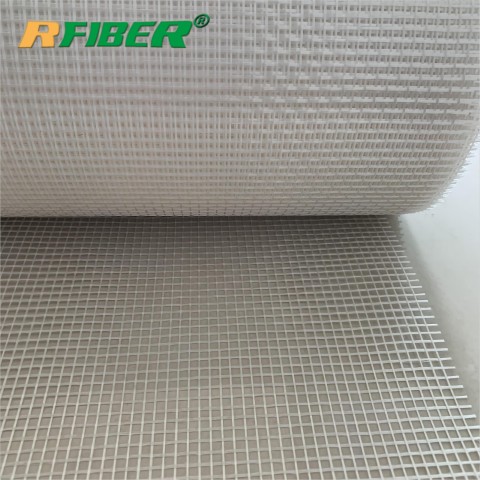
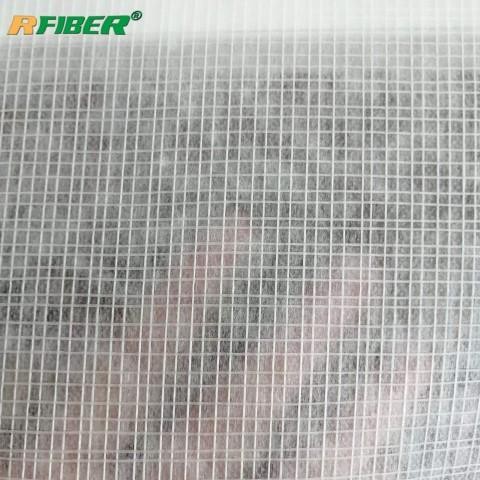
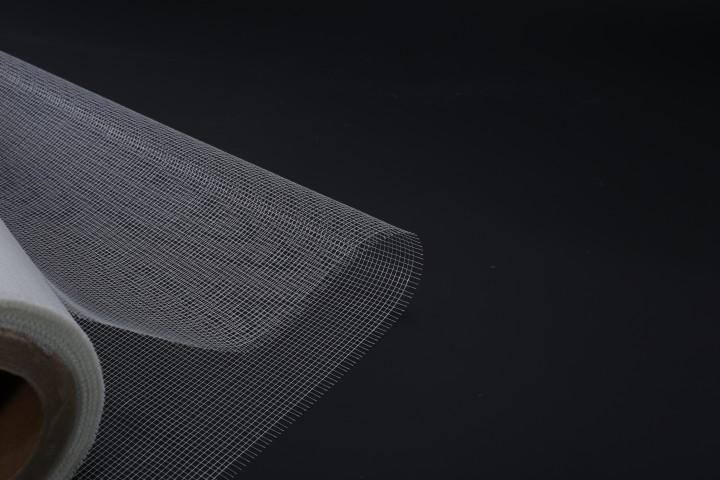
A significant technical advantage for Shanghai Ruifiber Industry Co., Ltd. lies in its production of non-woven laid scrim mesh. These scrims are characterized by their lightweight nature and high dimensional stability. In applications such as FRP (Fiber Reinforced Polymer) wall panels or ceiling systems, the inclusion of a laid scrim prevents stretching and warping during the curing process. This stability is particularly important in large-scale architectural projects where thermal expansion and contraction can compromise the bond between different material layers.
Process Compatibility and Durability
The effectiveness of a reinforcement material is also measured by its behavior during production. RFIBER products are engineered for rapid resin wet-out, meaning the liquid resin penetrates the fiber layers quickly and thoroughly. This reduces the risk of air pockets or dry spots—common defects that lead to premature structural degradation. Furthermore, the chemical resistance and anti-aging properties of these composite felt and scrim products contribute to the longevity of storage tanks and piping systems used in harsh chemical environments.
Practical Applications Across Diverse Sectors
The utility of these composite felt and scrim solutions extends across several major industrial domains, providing tangible improvements in both performance and manufacturing efficiency.
Wind Energy and Power Generation: In the production of nacelle covers and blade components, the use of stitch-bonded mats and high-strength scrims helps manage the weight-to-strength ratio, allowing for larger, more efficient turbines.
Transportation and Marine: Automotive body panels and boat hulls benefit from the weight reduction offered by composite materials. By using RFIBER’s thin-profile reinforcements, manufacturers can achieve sleek, aerodynamic shapes without sacrificing the impact resistance required for safety.
Construction and Infrastructure: The company’s materials are frequently found in waterproofing membranes, flooring reinforcements, and FRP panels. These components provide a barrier against moisture and environmental wear, which is essential for maintaining the structural health of buildings and bridges.
Industrial Storage and Piping: For the fabrication of large-scale chemical tanks and pressure vessels, the consistency of the fiber mat ensures that the finished product can withstand internal pressures and corrosive substances over long operational lifecycles.
Manufacturing Excellence and Quality Standards
Shanghai Ruifiber Industry Co., Ltd. maintains a vertically integrated approach to production. With manufacturing facilities in regions such as Jiangsu and Shandong, the company ensures a stable supply chain and the ability to respond quickly to large-scale industrial orders. This internal control over the manufacturing process allows for rigorous monitoring of technical indicators, including fiber whiteness, moisture content, and binder consistency.
The company operates under international quality management systems, including ISO certifications, ensuring that every batch of material meets the rigorous standards required by world-class clients. This focus on consistency is critical for automated production lines where even a slight deviation in material thickness or resin absorption can result in costly downtime or product rejection. Beyond standard specifications, the R&D team at RFIBER works on providing tailored solutions for industries requiring high-modulus fibers or specific coatings to enhance the bond between the reinforcement and specialized resin systems.
Addressing Performance Challenges in a High-Demand Market
As industries move toward more efficient production models, the demand for reliability at the material level has never been higher. Manufacturers are increasingly looking for ways to reduce waste and improve the lifecycle of their products. Small variations in the quality of a reinforcement mat can lead to significant issues in the finished composite, such as surface telegraphing or reduced fatigue resistance.
By providing high-consistency composite felt and scrim solutions, RFIBER helps industrial partners mitigate these risks. The focus is on the micro-level details—the way a fiber lay-up interacts with a specific resin or the way a scrim holds its tension under heat. These technical nuances are what determine the ultimate reliability of the composite. In the context of global manufacturing, where materials are often sourced from multiple regions, the ability to provide a predictable, high-standard reinforcement product allows for smoother cross-border operations and standardized final outputs.
Ultimately, the goal of integrating these advanced materials is to ensure that the composite integrity is maximized from the start of the manufacturing process to the end of the product’s functional life. Whether in a high-speed automotive component or a stationary storage tank, the role of specialized fiber reinforcements remains a constant requirement for industrial excellence.
For more information regarding high-performance reinforcement solutions and technical specifications, please visit: https://www.ruifiber.com/.
Post time: Aug-10-2026