
The Unseen Engine of Efficiency: Why Lightweight Reinforcement Structures Are Indispensable in Modern Industrial Composites
The Global Mandate for Mass Optimization: A Shift Witnessed on Trade Floors
Across international exhibition halls, a quiet revolution is reshaping industry priorities. The question is no longer solely about ultimate strength, but about specific strength—the critical ratio of strength to weight. In sectors from transportation and energy to construction and marine, the drive for fuel efficiency, higher payloads, extended range, and reduced structural load is paramount. This universal pursuit of mass optimization has catapulted lightweight reinforcement structures from a niche advantage to a non-negotiable essential. At the forefront of this shift are advanced composite materials, whose performance is fundamentally dictated by their reinforcing skeleton. As an integrated Fiberglass Mesh Manufacturer and a leading force among Fiberglass Mesh Manufacturers China, Shanghai RFIBER is deeply engaged in engineering these vital, mass-saving cores that enable the next generation of industrial composites.
The Science of Lightweighting: More Than Just Less Weight
Achieving Maximum Performance with Minimal Mass
The principle of lightweighting in composites is elegantly simple yet profoundly impactful: to achieve the required mechanical properties—be it tensile strength, stiffness, or impact resistance—with the least possible material mass. This is where fiberglass reinforcements excel. Materials like Woven Roving, Heavy Woven Roving, and Woven Fiberglass Roving are engineered to provide immense strength at a fraction of the weight of traditional materials like steel. The magic lies in the synergy: the high-strength glass fibers carry the load, while the polymer matrix binds them and distributes stress. This creates a structure that is not just lighter, but also resistant to corrosion and fatigue.
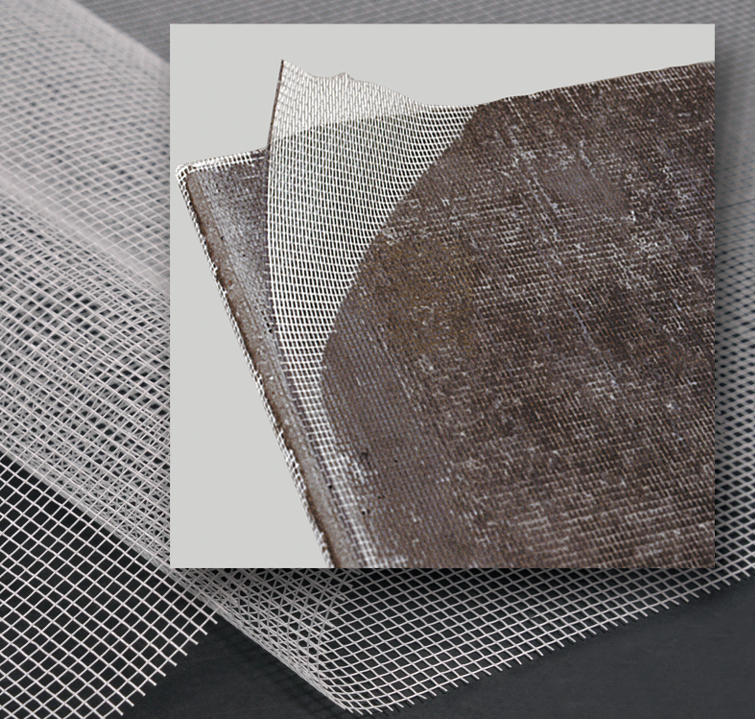
Different weave patterns serve specific lightweighting functions. Open-Weave Roving and Coarse Weave Fiberglass facilitate rapid resin impregnation, allowing for the creation of thick, strong laminates in fewer layers, directly reducing weight and production time. For applications demanding a superior surface finish alongside strength, Bulk Fabric or tighter-weave Roving Fabric provides the answer. In the demanding marine sector, Boat Cloth and Marine-Grade Roving are quintessential examples of lightweight reinforcement, enabling the construction of hulls and decks that are both incredibly durable and buoyant. The Laminating Roving is specifically formulated for optimal resin compatibility, ensuring a high fiber-to-resin ratio and a void-free, strong, yet lightweight final composite part.
From Construction Cornerstone to Composite Core: The Versatility of Reinforcement
A Shared Technology for Disparate Challenges
The journey of fiberglass reinforcement begins in construction, where the principles of lightweight stabilization are equally vital. Here, products are designed for manageability and performance. Self Adhesive Fiberglass Mesh Tape and Corner Tape (including Wall Corner Tape) are lightweight solutions that prevent cracks in drywall without adding burdensome weight. The ubiquitous Fiberglass Mesh, especially Alkali Resistant Fiberglass Mesh, provides a featherweight yet formidable reinforcement layer in renders and coatings for Exterior Insulation and Finish Systems (Eifs Fiberglass Mesh), effectively managing cracks while minimizing added mass. Similarly, Fiberglass Mesh For Concrete and Roofing Fiberglass Mesh are engineered to be minimally invasive yet maximally effective, controlling shrinkage and reinforcing membranes without compromising the overall weight and structure. For targeted repairs, lightweight Fiberglass Mesh Tape For Cracks and Fiberglass Mesh Tape For Waterproofing offer strong, localized reinforcement.
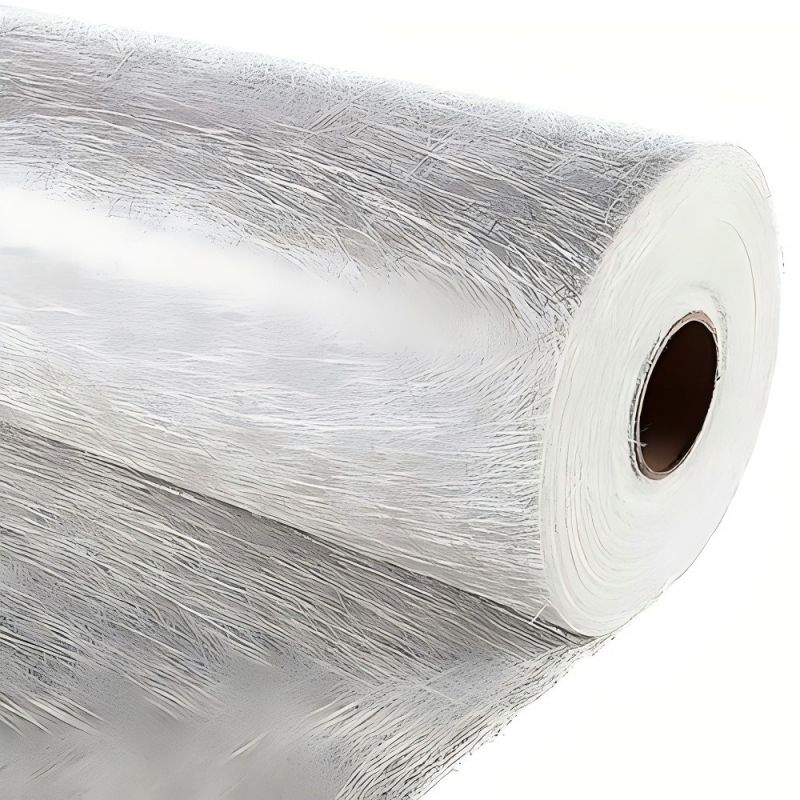
This foundational expertise in creating strong, lightweight meshes directly informs the development of industrial reinforcements. A Fiberglass Mesh Factory like RFIBER, which masters the production of Fiberglass Mesh Fabric and Fiberglass Mesh Rolls, applies the same precision engineering and material science to produce heavier-duty Woven Rovings. The understanding of fiber sizing, weave tension, and coating technology gleaned from manufacturing China Fiberglass Mesh is translated into producing high-performance fabrics that meet the rigorous demands of composite laminates. This cross-pollination of knowledge across product lines—from Fiberglass Mesh Tape to Heavy Woven Roving—is a key advantage of an integrated manufacturer.
The RFIBER Advantage: Integration as the Key to Engineered Lightweighting
Control from Glass to Fabric: Ensuring Performance in Every Gram
True lightweighting is not achieved by simply using less material; it is achieved by using smartermaterial. This requires absolute control over the entire manufacturing process, a capability that defines RFIBER as a Fiberglass Mesh Manufacturer and not just a Fiberglass Mesh Supplier. Our integrated model means we oversee the transformation from raw materials to finished reinforcement. For our construction lines, this ensures the consistent quality of our Alkali Resistant Fiberglass Mesh—a critical factor for long-term durability in cementitious environments. For our industrial lines, it allows us to fine-tune the architecture of our Woven Fiberglass Roving, optimizing the yarn tex, weave pattern, and binding agent to produce a fabric that delivers maximum strength with minimum weight for a specific resin system and manufacturing process.
As a prominent Fiberglass Mesh Company and a leading Fiberglass Mesh Supplier China, this vertical integration translates into tangible benefits. It guarantees supply chain resilience and consistent quality for global partners seeking reliable Fiberglass Mesh Suppliers. It enables rapid customization, whether developing a specialized Scrim for a new composite panel or adjusting the roll dimensions of our Fiberglass Mesh Rolls. Our position as Fiberglass Mesh Manufacturers allows us to collaborate deeply with customers, not just to sell a product, but to co-engineer a reinforcement solution that is precisely calibrated to shed weight while adding strength, driving efficiency in their final composite products.
Building a Lighter, Stronger Future
The trajectory of modern industry is unequivocally pointed towards intelligent mass reduction. Lightweight reinforcement structures are the unsung heroes enabling this transition, providing the essential backbone for composites that make vehicles more efficient, wind turbine blades longer, marine vessels more agile, and structures more resilient. Companies like RFIBER, operating as integrated Fiberglass Mesh Manufacturers China, are pivotal in this ecosystem. By fusing the proven reinforcement principles from construction with advanced materials engineering for industry, we supply the critical components—from foundational Fiberglass Mesh In China to high-tech Marine-Grade Roving—that allow designers and engineers to push the boundaries of what is possible. In the race to build a higher-performing, more sustainable industrial landscape, the question is no longer iflightweight reinforcements are essential, but how optimallythey can be integrated. The future is being built lighter, and it is being built on a foundation of advanced fiberglass reinforcement technology.
Address
Head office Add: BLDG#26,MAX Technology Park Phase II,Baoshan District,Shanghai China
Factory Add: Shanghai Ruifiber (Fengxian) Industry Park, Fengxian, Xuzhou, China
info@ruifiber.com
ruifibersales2@ruifiber.com
Phone
Sales: 0086-159-6804-7621
Support: 0086-186-2191-5640
Hours
Monday-Friday: 9am to 6pm
Saturday, Sunday: Closed
WANT TO WORK WITH US?
Post time: May-22-2026