
Understanding Filament Tape and Its Main Applications in Packaging
Filament tape gives you strong support when packaging heavy items. The tape uses synthetic rubber adhesive and fiberglass fibers, which make it resistant to moisture and splitting. You can rely on filament tape for tasks where regular tapes fail, such as securing appliances or reinforcing boxes. Many businesses choose wholesale filament tape because it saves money and ensures reliable performance. The packaging industry sees rapid growth, especially in Asia-Pacific and North America, driven by e-commerce and logistics. Filament tape stands out compared to Paper Tape, Metal Corner Tape, Fire blanket, and Fiberglass Grinding Wheel Mesh due to its high tensile strength and crack resistance. You can explore Related Products for more solutions.
| Feature | Description |
|---|---|
| High tensile strength | Superior strength for heavy-duty use |
| Split- and crack-resistant | Maintains integrity under stress |
| Synthetic rubber adhesive | Long-lasting bond |
| Resists moisture and solvents | Suitable for tough environments |
- Strong demand comes from e-commerce and logistics.
- North America leads the market, Asia-Pacific grows fastest.
- Eco-friendly filament tapes are becoming popular.
Strength and Durability
You need strong tape when you pack heavy or valuable items. Filament tape stands out because it uses fiberglass strands that give it high tensile strength. This means you can trust it to hold heavy loads without snapping or stretching too much. Regular packing tape often breaks or tears under pressure. Laboratory tests show that strapping tape actually has even higher tensile strength and lower elongation than filament tape. Strapping tape works best for securing appliances during transport because it can handle heavy impacts and absorb shocks better than filament tape. Still, filament tape offers much more strength than standard packing tape, making it a reliable choice for most packaging needs.
Material Composition
Filament tape uses a special mix of materials to boost its performance:
- The backing material is usually polypropylene or a similar film.
- An aggressive adhesive ensures a strong bond.
- Fiberglass filaments run through the tape, giving it extra strength.
These materials work together to make filament tape resistant to tearing and stretching. You can use it to hold heavy loads and keep tension even when boxes shift or move. Regular packing tape does not have these fiberglass filaments, so it cannot match the strength or durability of filament tape.
Tip: If you want a tape that resists splitting and holds up under stress, choose filament tape for your toughest jobs.
Adhesion and Performance
Filament tape performs well in many environments. The fiberglass strands give it high tensile strength, which makes it ideal for heavy loads and industrial packaging. Standard packing tape uses different adhesives. Hot melt adhesives bond quickly but may fail in extreme temperatures. Acrylic adhesives last longer and resist UV light, so they work better for packages exposed to sunlight or heat. For the best results in harsh conditions, you should look for acrylic-based adhesives. Filament tape’s strong adhesive and reinforced structure help it maintain a secure seal, even when boxes face rough handling or temperature changes.
Heavy-Duty Packaging
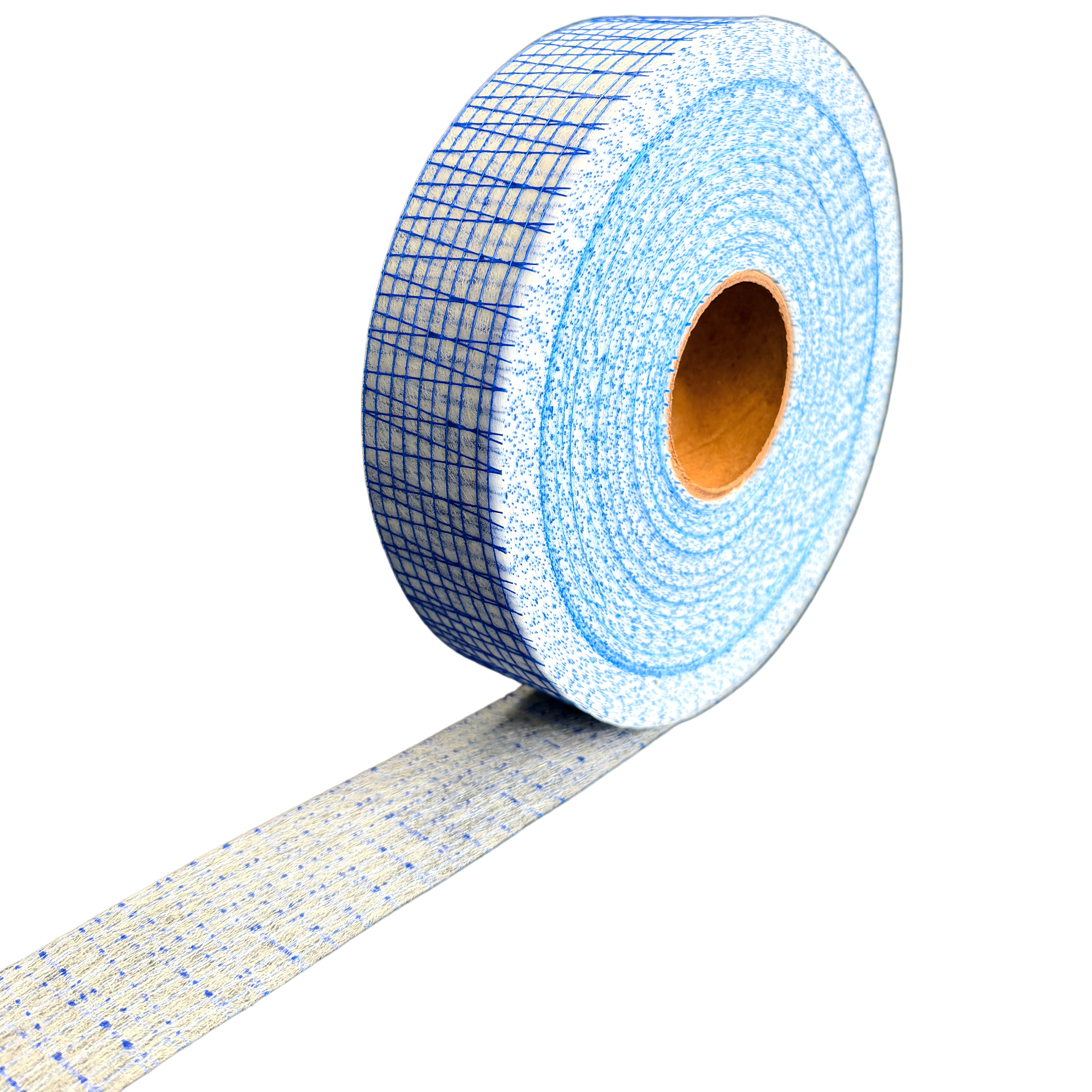
You need reliable tape when you pack heavy items or valuable goods. Filament tape gives you the strength to secure boxes that hold machinery parts, tools, or large quantities of products. The tape uses fiberglass or polyester strands, which provide high tensile strength even though the tape looks thin. This design helps you avoid package failures that can lead to lost or damaged goods. When you use filament tape for reinforcement, you reduce the risk of boxes breaking open during shipping. This makes filament tape a cost-effective choice for heavy-duty packaging because you spend less on replacements and repairs.
Bundling and Securing Items
You often need to bundle or secure items for shipping. Filament tape works well for this job because it holds items tightly together and resists stretching or breaking. Many industries rely on filament tape for bundling and securing, including:
1.Automotive
2.Cable
3.Architecture Construction
4.Oil Pipeline
5.Lithium Battery
6.Furniture
7.Bridge Construction
8.Steel Goods
You can use filament tape to keep pipes, rods, or cables in place during transport. The tape’s strong adhesive and fiberglass filaments prevent items from shifting or coming loose. This helps you deliver products safely and efficiently.
Reinforcing Boxes and Cartons
You want your boxes to stay strong during shipping. Filament tape is designed for heavy-duty applications, with fiberglass reinforcements that boost its tensile strength and tear resistance. This makes it a top choice for sealing boxes that carry heavy or delicate items. The woven strips of fiberglass in the tape let it handle high pressure without stretching. This feature is important when you need to bundle or reinforce boxes, especially for shipping heavy products.
Sesame tape, another name for filament tape, uses polyester filaments that run along the tape. This gives it extra strength and helps prevent bulging or tearing in corrugated packaging. You can count on filament tape to keep your boxes secure, even under stress.
Tip: For the best results, use heavy-duty mono-oriented filament tape for box reinforcing and shipping. If you need to secure irregular objects, choose heavy-duty cross-weave filament tape for extra holding power.
Filament-reinforced tapes are also important in military and industrial settings. They help manage stress during palletizing and transportation. You can select from different types of filament tape based on your needs:
- Light Duty Mono Oriented: Good for general bundling and transport securing.
- Medium Duty Mono Oriented: Works well for medium-duty packaging and pallet fastening.
- Heavy Duty Mono Oriented: Best for high-performance box reinforcing and shipping.
- Heavy Duty Cross Weave: Ideal for heavy-duty jobs, especially with irregular objects.
When you reinforce boxes with filament tape, you protect your shipments and save money by avoiding damage and returns.
You often need to move large appliances or heavy equipment from one place to another. Filament tape helps you keep these items safe during transportation. This tape works well because it has high tensile strength and strong tear resistance. You can trust it to hold heavy objects in place and prevent them from shifting or falling.
- Filament tape is made for heavy-duty jobs. You can use it to secure washing machines, refrigerators, or industrial equipment.
- The tape’s fiberglass strands give it extra strength. This means you do not have to worry about the tape snapping under pressure.
- When you use filament tape, you lower the risk of damage during transit. Your appliances arrive safely at their destination.
You can choose different types of filament tape based on your needs. The table below shows the best options for securing large appliances, especially for international shipping:
| Type of Filament Tape | Description | Best Use Case |
|---|---|---|
| Uni-Directional | Fiberglass strands run in one direction, offering good strength for sealing. | Standard strapping jobs and sealing boxes. |
| Bi-Directional | Fiberglass strands run in two directions, providing stronger cross-weave. | Very heavy or odd-shaped loads, resists tearing. |
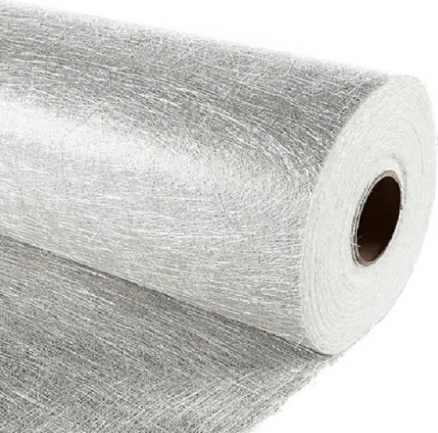
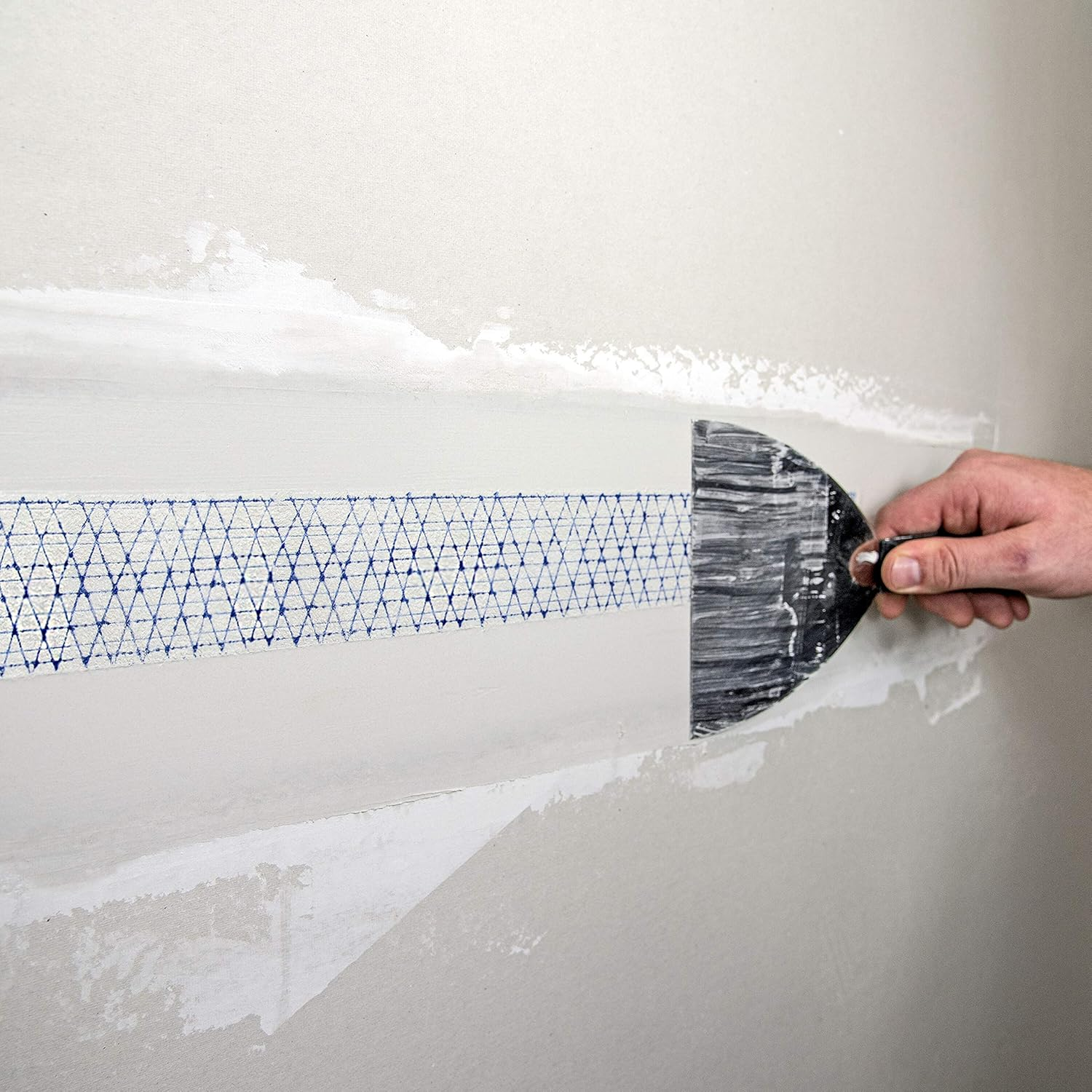
ometimes, you find damage to packages or boxes while goods are in transit. Filament tape gives you a quick and strong solution for temporary repairs. You can use it to seal heavy cartons, close boxes, or reinforce weak spots. This helps you prevent further damage and keeps your shipment safe until it reaches its final stop.
Here are some common ways you can use filament tape for temporary repairs:
| Application | Description |
|---|---|
| Sealing heavy cartons | Use a reinforced filament tape such as 3M 8934. |
| Sealing heavy boxes | Suitable for bundling and palletizing transportation units. Prevents damage to goods and reduces injury risk. |
| Box closing and reinforcing | Recommended for strapping, sealing, and bundling. |
You can apply filament tape quickly, even when you are on the move. The tape’s strong adhesive and fiberglass backing make it reliable for emergency fixes. This means you do not have to worry about boxes opening or items falling out during the rest of the journey.
Single-Sided vs. Double-Sided
You can choose between single-sided and double-sided filament tape for your packaging needs. Single-sided tape has adhesive on one side. You use it for bundling, reinforcing, and sealing boxes. Double-sided tape has adhesive on both sides. This type works well when you need to stick two surfaces together, such as mounting or joining materials. Most packaging jobs use single-sided tape because it is easier to apply and remove. Double-sided tape is less common in shipping but helps with special projects where you need a strong bond between surfaces.
Tip: If you handle large shipments or need to reinforce boxes, single-sided tape gives you reliable performance. Double-sided tape suits mounting tasks or joining materials during assembly.
Cross-Weave vs. Mono-Directional
Filament tape comes in two main weave patterns. Mono-directional tape has fiberglass strands running in one direction. This design gives you strength along the length of the tape. You use mono-directional tape for strapping, bundling, and reinforcing boxes. Cross-weave tape, also called bi-directional tape, has strands running both lengthwise and widthwise. This cross-weave structure lets the tape distribute tension evenly across multiple axes. You get extra strength and shock absorption, which helps when items shift during transport. Cross-weave tape reduces the risk of breakage and works best for securing heavy or irregular loads.
Note: Cross-weave tape handles unpredictable stress better than mono-directional tape. You can rely on it for demanding jobs, especially when you ship heavy equipment or fragile items.
Varying Adhesive Strengths
Filament tape offers different adhesive strengths to match your packaging needs. You can select a tape based on how much holding power you need. Some tapes bond easily to fiberboard, plastics, and metal surfaces. Others use reinforced adhesives for extra durability. Wholesale filament tape gives you options for both medium-duty and heavy-duty jobs. You can find tapes that work for utility bundling, pallet unitizing, or securing cardboard boxes.
Here is a table showing typical adhesive strength ratings and their applications:
| Tape Name | Type | Adhesive Strength Characteristics | Applications |
|---|---|---|---|
| Scotch® Filament Tape 897 | Medium-duty | High strength, bonds easily to fiberboard, plastics, and metal surfaces. | Utility bundling, reinforcing, pallet unitizing. |
| Cross Filament Tape | Heavy-duty | Biaxially-oriented polypropylene reinforced with glass-fiber filaments for extraordinary tensile strength. | Heavy-duty packaging, bundling, and securing. |
| Industrial packaging tape | General use | Highly durable, contains fiberglass reinforcements, resistant to tearing. | Securing cardboard boxes, bundling, pallet unitizing. |
You can choose wholesale filament tape with the right adhesive strength for your job. Strong adhesives help you keep packages secure during shipping and storage. You avoid damage and reduce the risk of returns.
Selecting the Right Type for Your Needs
You want to pick the best filament tape for your packaging job. Several factors help you make the right choice:
Tensile strength matters most when you need to secure heavy loads. Fiberglass filaments boost this strength.
The backing material, like BOPP, affects how tough the tape is and how well it fits your task.
Adhesive type, such as hot melt adhesive, changes how the tape performs in different conditions.
Environmental factors, including temperature and humidity, can impact how well the tape sticks and holds.
Tape thickness and width help prevent tearing and puncturing.
Compatibility with packaging materials ensures the tape seals and straps effectively.
"Humidity and temperature are among the primary environmental conditions to be aware of. High humidity levels can weaken the adhesive bond of some tapes, causing them to peel away from the packaging material. Conversely, very dry conditions may lead to brittleness in some types of tape, particularly those made from natural rubber adhesives."
You also need to consider the core size of the tape roll. This affects how easy it is to handle and use.
Proper Application Techniques
You get the best results when you apply filament tape correctly. Try these techniques:
Use a filament strapping tape dispenser. This tool makes cutting and applying tape easier.
Cut the tape instead of tearing it. Filament tape is hard to tear by hand.
Prepare the surface before applying tape. Clean and dry surfaces help the tape stick better.
Press firmly on the tape after placing it. Pressure improves the holding power.
Storage and Handling Advice
You protect the tape’s quality by storing it properly. Follow these steps:
Keep temperatures consistent between 15°C and 25°C.
Control humidity at 40% to 60%.
Limit exposure to light. Store tapes in a dark place.
Store rolls upright to prevent deformation.
Use older stock first. Apply a First-In, First-Out system.
Reseal open rolls right after use.
Organize storage by function.
Proper storage keeps the adhesive strong. You avoid tape degradation and ensure reliable performance for every job.
Common Mistakes to Avoid
When you use filament tape for packaging, you want to get the best results. Many people make simple mistakes that can lead to weak seals or damaged packages. You can avoid these problems by learning about the most common errors and how to fix them.
1.Using the Wrong Tape
You might think all tapes work the same way, but that is not true. Filament tape comes in different types and strengths. If you pick the wrong tape for your job, you may see poor adhesion or even package failure. Always check the tape’s specifications before you start. Choose a tape that matches the weight and size of your package. For heavy boxes, use heavy-duty filament tape. For lighter tasks, a medium-duty tape works better.
2.Taping to Dirty Surfaces
Dust, oil, or moisture on a box can stop the tape from sticking well. If you apply tape to a dirty or wet surface, the adhesive cannot form a strong bond. You should always clean and dry the area before taping. Use a dry cloth to wipe away dust or grease. This simple step helps your tape hold tight and keeps your packages safe.
3.Using Old Tape
Tape does not last forever. Over time, the adhesive can dry out or lose its stickiness. If you use old tape, your packages may open during shipping. Check the shelf life of your tape before you use it. Store your tape in a cool, dry place and use older rolls first. Replace any tape that looks brittle or does not stick well.
Tip: Take a few minutes to inspect your tape and surfaces before you start packing. This small effort can save you time and money by preventing shipping problems.
By avoiding these common mistakes, you make sure your filament tape works as it should. Your packages stay secure, and your shipments arrive safely.
Benefits of Buying in Bulk
When you buy wholesale filament tape, you save money on every roll. Bulk orders often come with lower prices per unit. You also reduce shipping costs because you receive larger shipments less often. If you run a warehouse or a busy shipping department, you need a steady supply of tape. Buying in bulk helps you avoid running out during busy times. You also spend less time placing orders and tracking shipments. Many suppliers offer special deals or discounts for wholesale filament tape orders. This helps you manage your budget and keep your packaging process efficient.
Tip: Buying in bulk gives you peace of mind. You always have enough tape for big projects or sudden increases in demand.
How to Choose a Supplier
You want a reliable partner when you buy wholesale filament tape. Use these steps to find the best supplier for your needs:
- Define your requirements. Know if you need tape for packaging, electrical insulation, or another use.
- Check supplier reliability. Read reviews and testimonials to see if the supplier delivers on time and provides consistent quality.
- Request samples. Test the tape to make sure it meets industry standards.
- Consider the supplier’s location. Closer suppliers can ship faster and may lower your shipping costs.
- Evaluate supply chain efficiency. Ask about order processing times and how quickly they ship products.
- Compare pricing. Look for clear pricing and ask about any hidden fees.
- Look for flexible payment options. Some suppliers offer trial orders or different payment methods.
- Communicate clearly. Good communication helps you build trust and solve problems quickly.
- Gather feedback from other users. Networking with others in your industry can help you find the best suppliers.
Cost Considerations
You need to think about more than just the price per roll when you buy wholesale filament tape. Shipping fees, taxes, and minimum order quantities can affect your total cost. Some suppliers offer free shipping for large orders, while others charge extra for fast delivery. You should also check if the tape meets your quality standards. Low-cost tape that breaks easily can cost you more in the long run. Always balance price with quality and service. A good supplier helps you get the best value for your money.
| Cost Factor | What to Check |
|---|---|
| Unit Price | Lower with bulk orders |
| Shipping Fees | May vary by supplier and location |
| Minimum Order Quantity | Some suppliers require large orders |
| Quality Assurance | Test samples before buying in bulk |
| Payment Terms | Look for flexible options |
Filament tape gives you many advantages in packaging. You can count on it for:
- Exceptional tensile strength from fiberglass reinforcement
- Heavy-duty packaging, palletizing, and bundling
- Securing appliances and furniture during transit
- Temporary repairs and reinforcing boxes
- Specialized uses in military, aerospace, and DIY projects
You should choose filament tape when you need to pack heavy or bulky items. It works best for sealing oversized cartons and repairing damaged boxes. For tough packaging jobs, filament tape delivers strength and reliability every time.
FAQ
What makes filament tape stronger than regular tape?
Filament tape uses fiberglass strands for extra strength. You get higher tensile strength and better resistance to splitting. This makes it ideal for heavy-duty packaging.
Can you use filament tape outdoors?
Yes, you can use filament tape outdoors. The tape resists moisture and many solvents. It holds up well in different weather conditions.
How do you remove filament tape without damaging surfaces?
Peel the tape back slowly at a low angle. If adhesive remains, use a mild solvent or rubbing alcohol. Test on a small area first.
Is filament tape recyclable?
Most filament tapes are not recyclable because of their fiberglass content. You should check with your local recycling center for specific guidelines.
Address
info@ruifiber.com
ruifibersales2@ruifiber.com
Phone
Sales: 0086-159-6804-7621
Support: 0086-186-2191-5640
Hours
Monday-Friday: 9am to 6pm
Saturday, Sunday: Closed
WANT TO WORK WITH US?
Post time: Mar-27-2026