
Can a Vertically Integrated Chinese Manufacturer Meet the World‘s Growing Demand for High‑Performance Fiberglass Reinforcement?
Across global construction markets, a quiet but decisive shift is underway. Green-retrofit programs, stricter energy codes, and more frequent extreme-weather events have moved façade and envelope systems out of the "cosmetic" category and into the "structural-risk" category. When insulation delaminates, when parapet walls spall, or when balcony slabs crack, the root cause rarely makes headlines — but it is almost always tied to how the reinforcement layer was chosen, stored, and installed. Whether we are talking about Alkali Resistant Fiberglass Mesh embedded in base coats, EIFS Fiberglass Mesh controlling micro-cracking, Roofing Fiberglass Mesh stabilizing underlayment systems, or Fiberglass Mesh For Concrete acting as a secondary reinforcement in repair and overlay, the real question project teams are asking today is not "who sells it cheapest?" but "who actually manufactures it, controls the chemistry, and can prove batch-to-batch stability?"
The Hidden Skeleton: Why Mesh, Tape and Scrim Decide Whether an Envelope System Ages Gracefully or Fails Prematurely
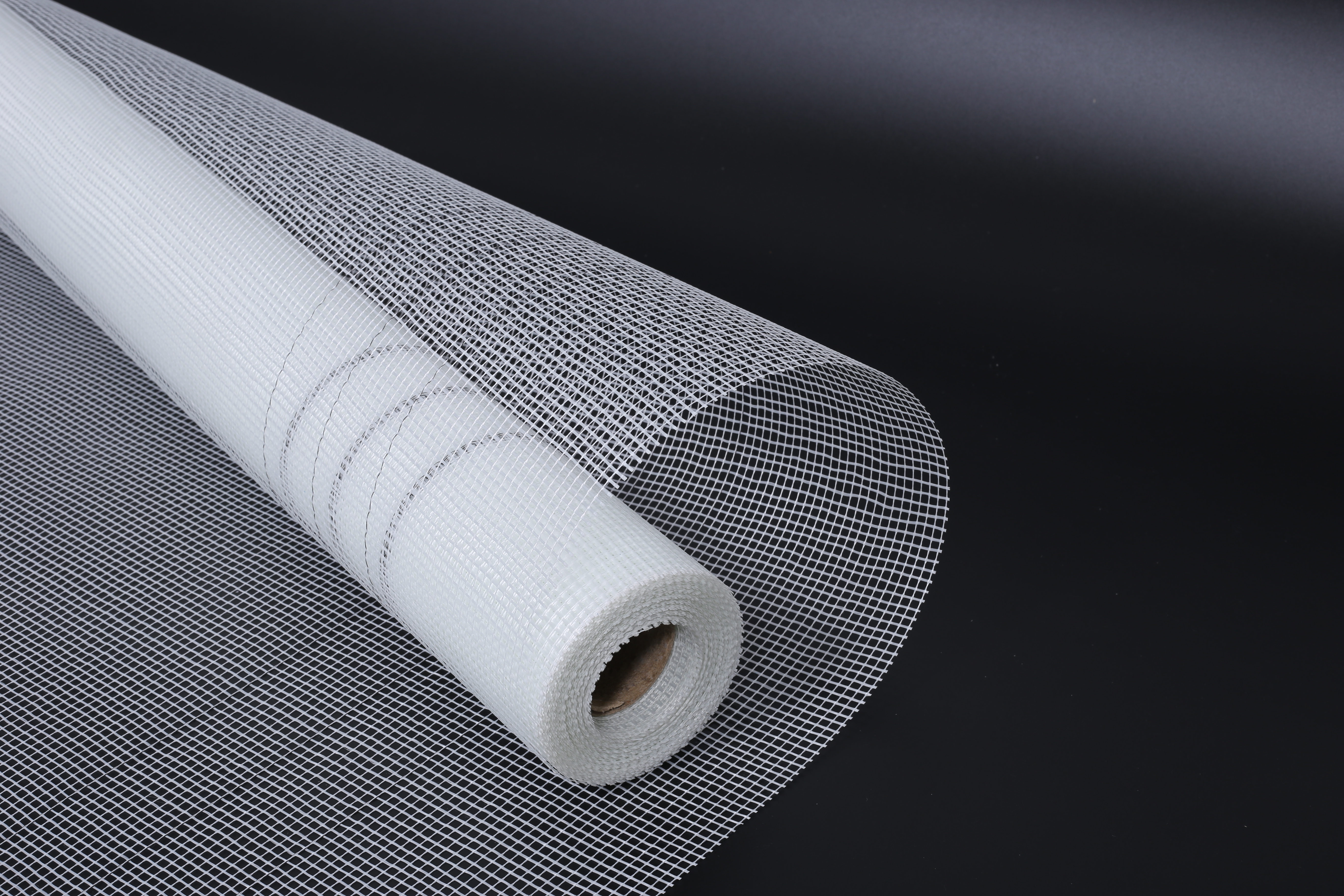
Modern envelope assemblies live or die by their hidden reinforcement logic. In an EIFS (Exterior Insulation and Finish System), the base-coat reinforcement is not an accessory; it is a stress-distributing membrane that must survive alkaline pore solution, UV windows during construction, and years of thermal cycling. This is why specifiers increasingly default to Alkali Resistant Fiberglass Mesh with documented AR chemistry and tight weave/node-integrity tolerances. The same principle drives demand for Self Adhesive Fiberglass Mesh Tape in detailing — around penetrations, at slab edges, and at the critical junction where air-barrier continuity meets water-resistance.
And yet, too many failures still trace back to the same sourcing blind spot: treating mesh as a commodity instead of as engineered cloth. A Fiberglass Mesh Tape For Waterproofing that softens at the wrong moment, or a Wall Corner Tape / Corner Tape whose yarn junction opens under stress, does not just create a local defect — it creates a pathway for moisture ingress, thermal bypass, and long-term corrosion of adjacent metal. In concrete overlays and patch repairs, Fiberglass Mesh For Concrete is expected to bridge movement without adding bulk; when it is poorly consolidated or inconsistently coated, the repair looks good on day one and hairline-cracks by month six.
For Shanghai Ruifiber (operating globally as Gadtex / RFIBER), this is exactly why we positioned ourselves not as a trader reselling anonymous stock, but as an integrated fiberglass mesh factory + application engineering partner serving both standard façade systems and custom reinforcement ecosystems.
From Open-Weave Roving to Marine-Grade Laminates — When the "Cloth" Must Carry Load, Not Just Fill Space
Step outside the envelope, and a second class of reinforcement appears — coarser, heavier, and far less forgiving if under-specified: Woven Roving, Roving Fabric, Heavy Woven Roving, Woven Fiberglass Roving, Coarse Weave Fiberglass, and Open-Weave Roving. In hand lay-up and vacuum infusion for marine hulls and industrial FRP components, these textiles are not "filters of resin" — they are directional load-carriers. Specified incorrectly, they become resin-heavy sinks that add weight without delivering the laminate stiffness or impact toughness the structure needs.
In boatbuilding and corrosion-resistant equipment, Boat Cloth and Marine-Grade Roving are selected not just for nominal weight (800 g/m², 1200 g/m², etc.) but for crimp control, roving alignment, and sizing compatibility with the resin system (polyester / vinyl ester / epoxy). Similarly, Laminating Roving used in bulk laminates demands predictable wet-out and stable geometry so the laminate's shear and flexural paths remain coherent across large surfaces. At scale, buyers talk about Bulk Fabric not as "bulk discount cloth," but as consistent roll geometry: width tolerance, linear-meter accuracy, and packaging that survives jobsite handling.
Shanghai Ruifiber's vertically integrated setup — with domestic production assets in Xuzhou and process-control discipline carried over from high-volume export programs — is built to treat these products as engineered textiles, not roll-good commodities. Whether a buyer searches for a Fiberglass Mesh Manufacturer who also understands why a coarse weave can ruin a fair hull surface if roving crimp is uncontrolled, or for a partner who can stabilize Scrim-based nonwoven hybrids for insulation composites, the conversation inevitably returns to one word: control.
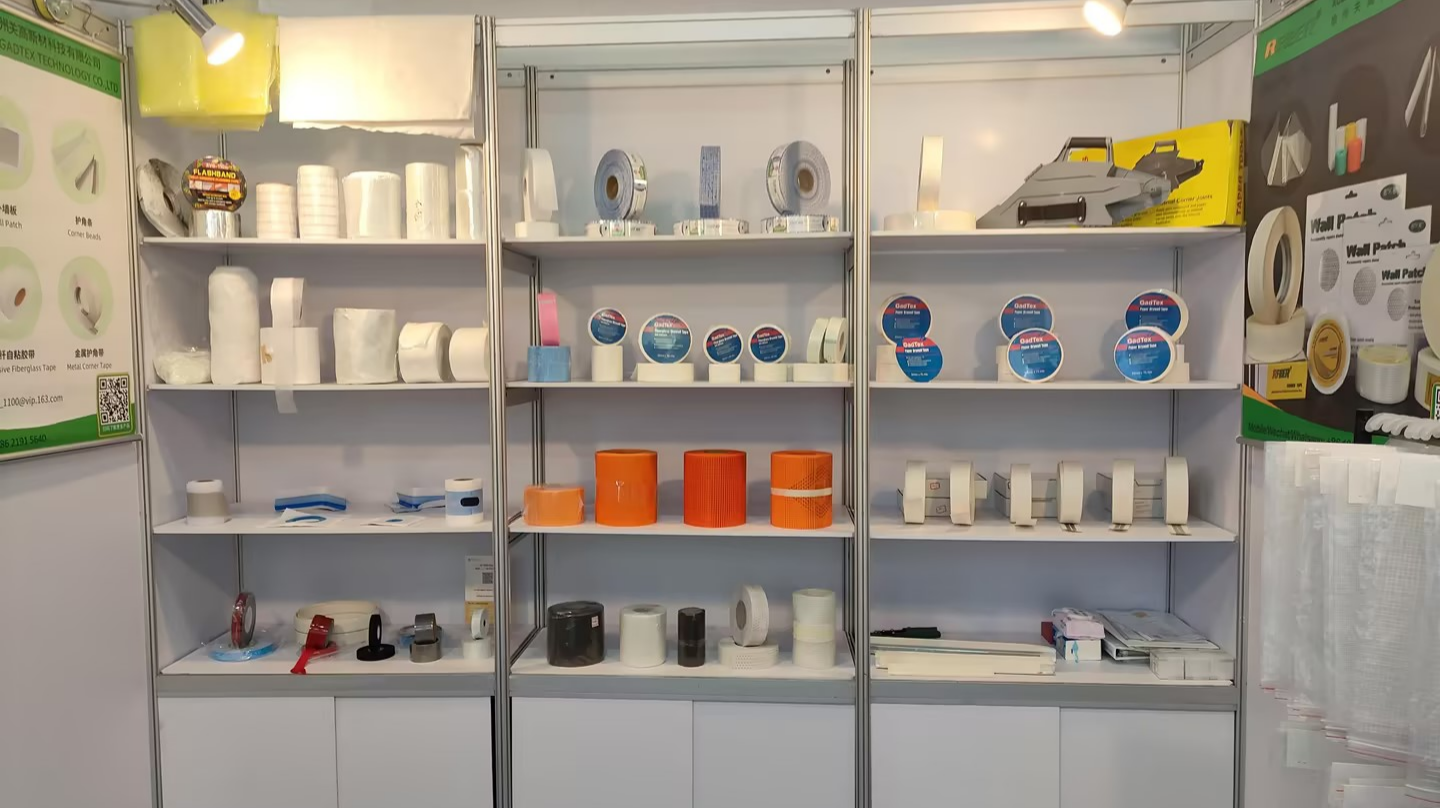
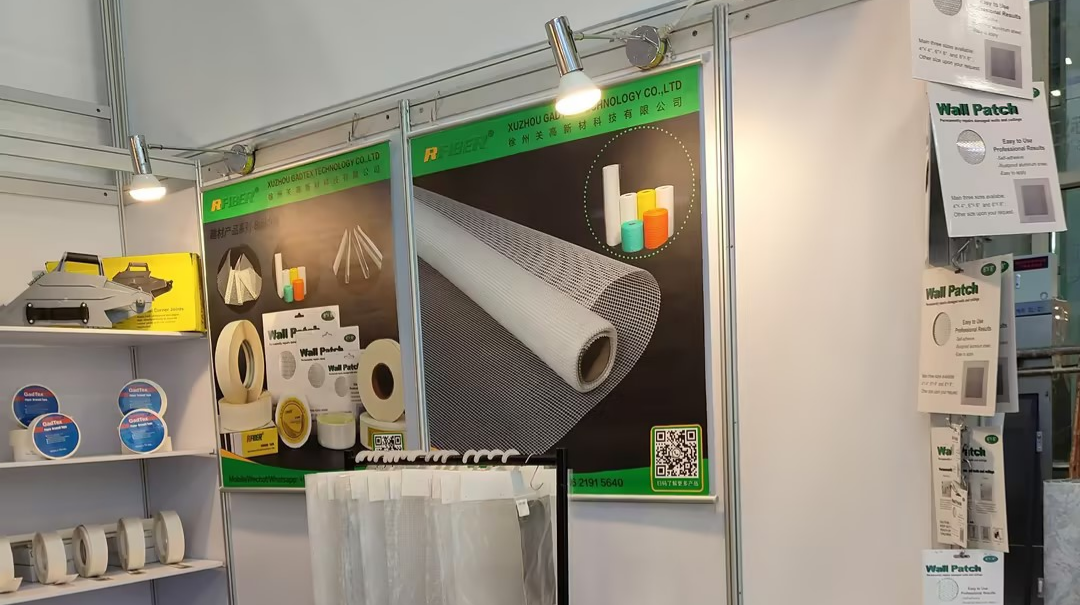
Why More Global Buyers Are Looking Past "Supplier" Labels and Back to the Real Fiberglass Mesh Manufacturers in China
Search behavior tells a clear story: keywords like Fiberglass Mesh Supplier, Fiberglass Mesh Manufacturer, Fiberglass Mesh Manufacturers China, China Fiberglass Mesh, Fiberglass Mesh Suppliers, Fiberglass Mesh Supplier China, Fiberglass Mesh In China, and Fiberglass Mesh Manufacturers are exploding not because buyers want more catalogs, but because they want accountability. When a project in the Middle East, Southeast Asia, or Eastern Europe specifies China Fiberglass Mesh at scale, the hidden costs show up later if the source cannot answer three questions:
1.Who ran the coating line? (Is the "AR" really AR — or just undifferentiated C-glass/E-glass with a generic size?)
2.Where was node-bond integrity validated? (Mesh that opens at the junction fails exactly where movement is highest.)
3.What happens when 20 containers need identical hand-feel and stiffness? (If there is no factory, there is no answer.)
Shanghai Ruifiber / Gadtex operates as a factory-direct + engineering-support organization. Our identity as a Fiberglass Mesh Factory means we own the variables that matter: yarn selection, binder chemistry, oven profile, calendering, slitting and packaging — not just the paperwork. For trading companies, "supply" is a phone call; for a manufacturer, supply is a controlled process. That distinction is why we are increasingly contacted not only for standard Fiberglass Mesh and Fiberglass Mesh Tape ranges, but also for hybrid solutions where Scrim architectures (nonwoven laid scrims, tri-directional mesh, customized open-area ratios) sit inside laminates, facings, and tapes — the exact space where "mesh supplier" vocabulary starts to feel too narrow.
What "Spec-Ready" Actually Means Today: Consistency, Width Control, Traceability (and Why It Wins Jobsite Trust)
Between rising material logistics costs and compressed construction schedules, "spec-ready" no longer means a nice brochure and a COA template. It means:
Dimensional discipline: stable width, clean edge, predictable linear meters per roll — whether the item is a delicate EIFS Fiberglass Mesh or a heavy Woven Roving destined for a laminate.
Chemistry you can defend: AR additive systems, binder crosslink density, and surface treatment aligned to the end-use pH/environment (alkaline base coats, salt-laden air, submerged zones).
Conversion hygiene: slitting dust control, roll concentricity, moisture-protective packaging — small details that decide whether installation crews curse the roll or praise it.
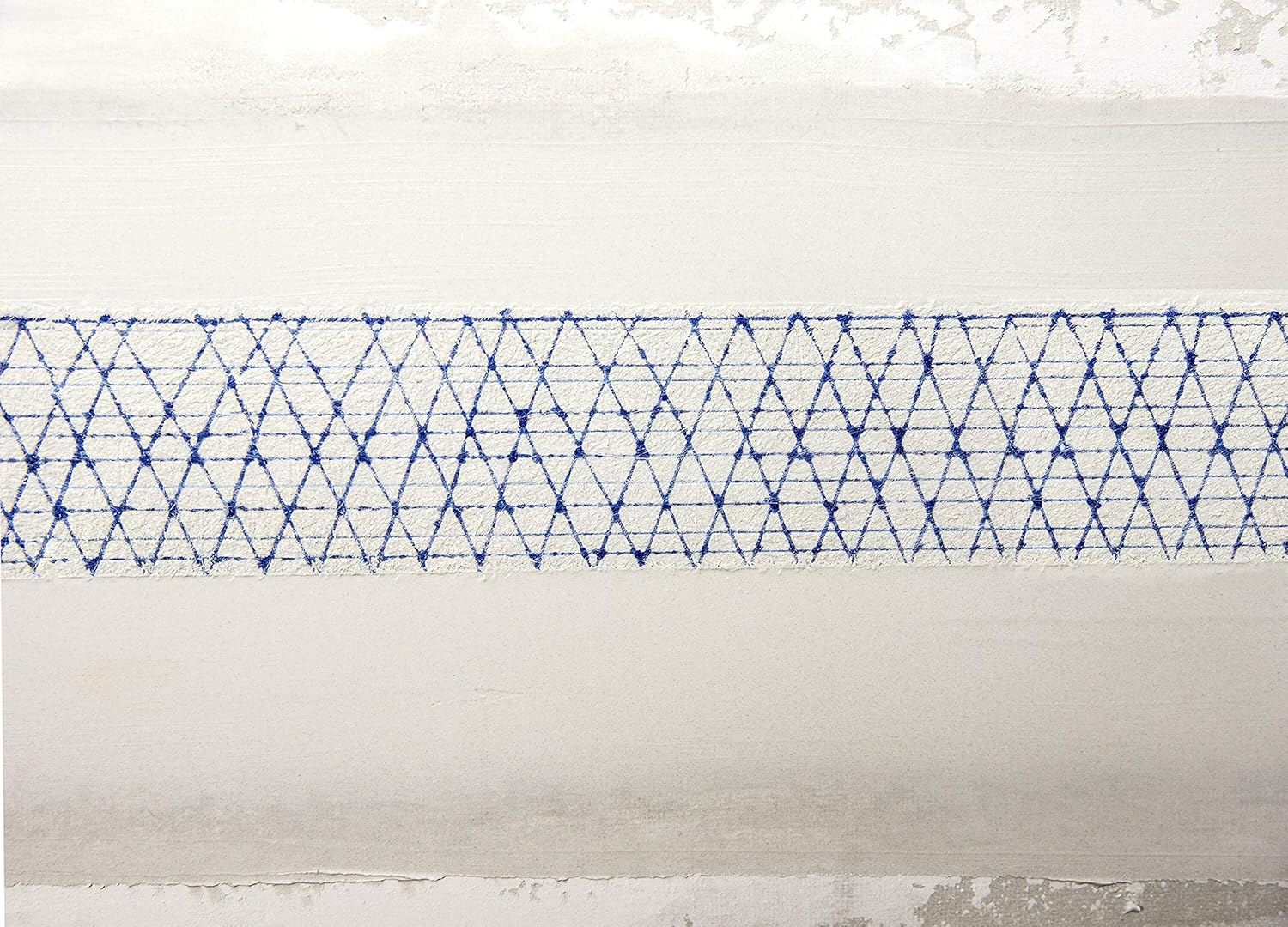
For products like Wall Corner Tape / Corner Tape and Self Adhesive Fiberglass Mesh Tape, "spec-ready" also means tape-line straightness, adhesive mass balance, release-film release behavior, and the absence of seasonal curl. These are not luxury add-ons; they are what separate a Fiberglass Mesh Supplier China that creates callbacks from a Fiberglass Mesh Manufacturer that protects the contractor's reputation.
Conclusion — If You Are Reviewing Sources Right Now, Start With the Factory, Not the Price
The global construction value chain is under pressure to deliver higher performance with less rework. That pressure inevitably moves buyer attention upstream — to the place where yarn becomes cloth, and cloth becomes system reliability. Whether your shortlist calls it Fiberglass Mesh, Scrim, Woven Roving, Bulk Fabric, or simply "the reinforcement that shouldn't fail," the lowest-risk path is the same: work with a partner that actually runs the line.
Shanghai Ruifiber (Gadtex / RFIBER) continues to invest in process control, application testing, and the kind of width/yield discipline global projects demand — from Roofing Fiberglass Mesh and Alkali Resistant Fiberglass Mesh for façade systems, to Open-Weave Roving and Marine-Grade Roving for composite structures. If your team is currently qualifying vendors — or cleaning up after one that looked cheap on paper — we are ready to discuss specifications, trial rolls, and a production partnership that treats reinforcement as engineering, not guesswork.
Contact our team to discuss specifications, trial rolls, or factory audit arrangements:
Email: info@ruifiber.com | Tel: 0086-18621915640
Post time: Jun-10-2026