Why Fiberglass Mesh Manufacturers China Lead in Quality: A Technical Guide to Scrim Corner Tape, Woven Roving, and Open-Weave Roving
When a building's exterior insulation system develops corner cracks within two years, or a waterproofing membrane fails at the tape seams, the problem often originates from the reinforcement material itself. Procurement teams searching for a reliable fiberglass mesh supplier or fiberglass mesh factory in China are not just looking for low cost—they need consistent tensile strength, alkali resistance, and dimensional precision. This article explains how alkali resistant fiberglass mesh, scrim corner tape, woven roving, and related products are manufactured and specified to meet rigorous international standards, and why selecting the right fiberglass mesh manufacturer directly impacts project longevity.
Technical Core: Understanding Fiberglass Mesh, Woven Roving, and Corner Tape
Material Architecture
Fiberglass mesh is an open-weave fabric made from continuous alkali-resistant (AR) glass fibers coated with a polymer latex. The coating serves two purposes: it protects the glass from mechanical abrasion during handling, and it provides a compatible surface for bonding with cementitious or adhesive systems. Standard mesh counts range from 4 × 4 to 12 × 12 threads per inch, with areal weights from 60 to 350 g/m².
Woven roving (also called roving fabric or heavy woven roving) is a coarser fabric made from bundles of continuous glass filaments (rovings) woven in a plain or twill pattern. It is used primarily in composite laminates for high-strength applications such as boat hulls, storage tanks, and structural panels. Woven fiberglass roving typically has areal weights from 300 to 900 g/m² and provides high impact resistance and flexural strength.
Key Performance Parameters
For alkali resistant fiberglass mesh, the critical specification is strength retention after alkali exposure. Industry-standard testing (e.g., following ETAG 004 or similar protocols) requires a minimum of 75% tensile strength retention after 28 days immersion in a simulated alkaline solution at 23°C. High-quality China fiberglass mesh products from reputable fiberglass mesh manufacturers often exceed 85% retention.
Woven roving is evaluated by tensile strength in both warp and fill directions, typically measured per ASTM D5034. A standard 600 g/m² woven roving should deliver warp tensile strength above 250 N/cm and fill strength above 220 N/cm.
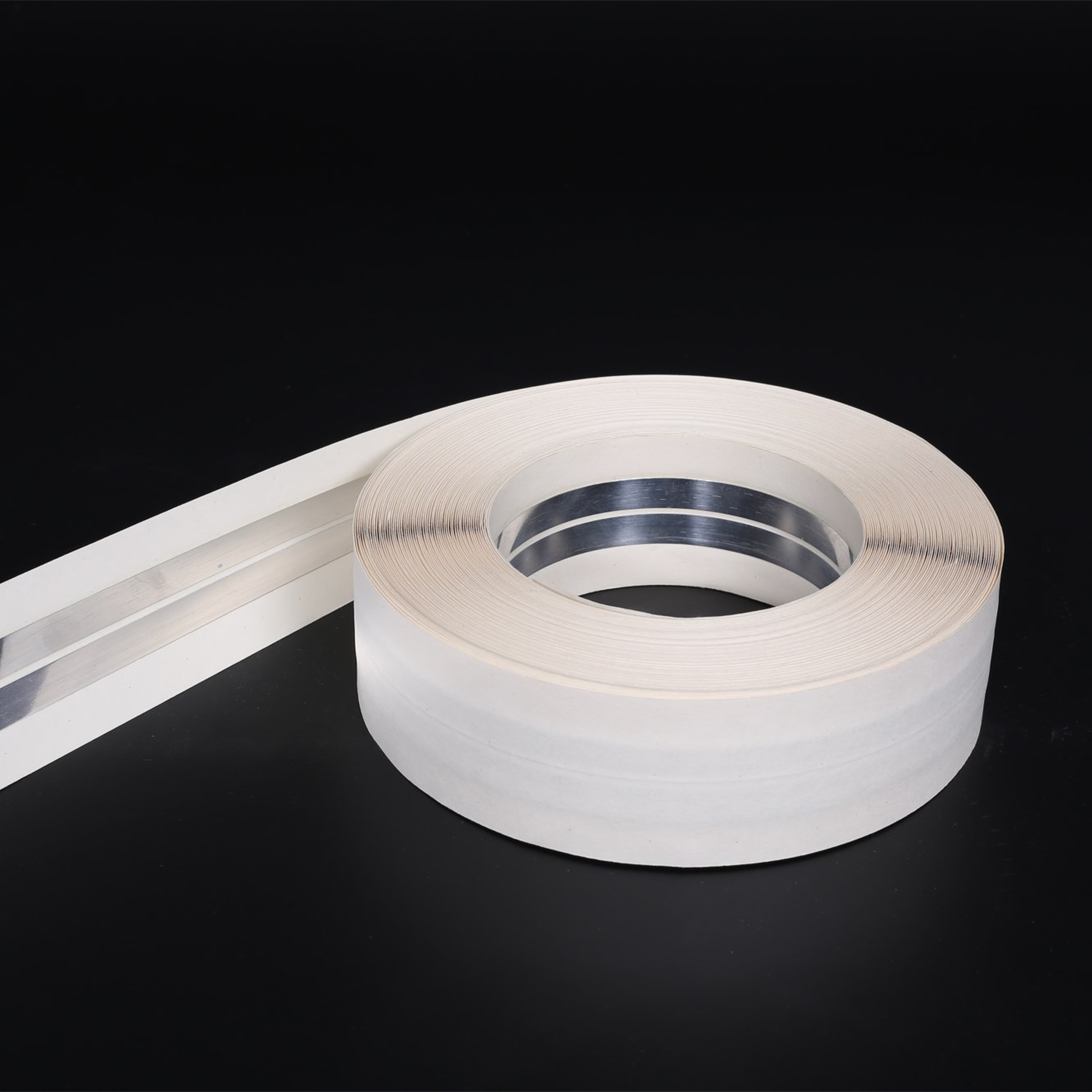
Corner tape performance depends on fold integrity and mesh openness. A well-made scrim corner tape maintains its 90° crease without fraying, and its open area should exceed 60% to ensure proper compound penetration.
Scrim corner tape and wall corner tape are narrow-width fiberglass mesh strips (typically 50–100 mm wide) pre-folded at a 90-degree angle. They are designed to reinforce interior and exterior corners in drywall, plaster, and EIFS (Exterior Insulation Finishing Systems). The open weave allows joint compound or adhesive to penetrate fully, creating a monolithic bond.
Technical Core: Understanding Fiberglass Mesh, Woven Roving, and Corner Tape
Scenario 1: Corner Cracking in Drywall and EIFS Systems
Corner cracking is the most frequent complaint in residential and commercial finishing. Traditional paper tape lacks tensile strength and can bubble or tear. Wall corner tape made from alkali resistant fiberglass mesh provides:
1.Bidirectional reinforcement at the joint
2.Compatibility with all joint compounds (gypsum, cement, polymer-modified)
3.Resistance to mold and moisture degradation
| Parameter | Paper Corner Tape | Fiberglass Mesh Corner Tape |
|---|---|---|
| Tensile strength (N/cm) | 15–25 | 80–120 |
| Alkali resistance | Not applicable | Passes ETAG 004 (≥75% retention) |
| Mold resistance | Poor | Excellent (inorganic glass) |
| Installation speed per 100 m | ~2.5 hours (requires mud layer) | ~1.5 hours (self-adhesive option) |
| Crack resistance after 1 year | Moderate (paper tears) | High (mesh bridges stress) |
Scenario 2: Heavy-Duty Composite Laminates with Woven Roving
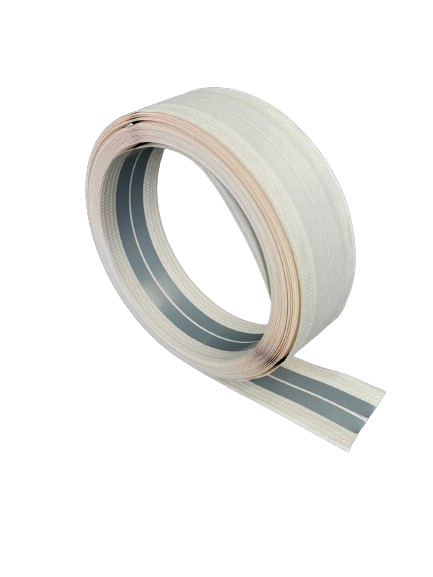
For structural components like tank linings, gratings, and marine parts, heavy woven roving and bulk fabric are the workhorses. A coarse weave fiberglass or open-weave roving allows rapid resin saturation and high fiber volume fraction.
Comparison Table: Chopped Strand Mat vs. Woven Roving
| Parameter | Chopped Strand Mat | Heavy Woven Roving |
|---|---|---|
| Fiber volume fraction achievable | 15–25% | 40–55% |
| Tensile strength (MPa) | 60–100 | 250–400 |
| Impact resistance | Low | High |
| Lay-up speed | Slow (multiple layers needed) | Fast (fewer layers) |
| Typical application | Light panels, cosmetic layers | Structural beams, pipes, tanks |
Frequently Asked Questions
How do I verify the quality of a fiberglass mesh manufacturer in China?
Request third-party test reports for alkali resistance (ETAG 004 or equivalent), tensile strength, and areal weight. Visit the factory if possible, or arrange a video audit focusing on coating uniformity, oven temperature control, and roll inspection processes. Check export documentation for compliance with your target market's standards (e.g., ASTM, EN, AS).
What is the difference between fiberglass mesh tape for waterproofing and regular drywall tape?
Waterproofing-grade tape has a denser weave (typically 7×7 or 9×9 mesh) and a heavier coating (≥ 20% by weight) to resist moisture penetration. Regular drywall tape uses a lighter 5×5 mesh with minimal coating, suitable only for indoor gypsum board joints.
Can woven roving be used for hand lay-up of curved surfaces?
Yes, but choose open-weave roving or coarse weave fiberglass with a looser construction. Tight weaves resist draping and may bridge over concave molds. For tight radii, consider using a stitched multi-axial fabric instead.
How should fiberglass mesh be stored on site?
Store rolls upright in a dry environment at 15–25°C, away from direct sunlight and moisture. Humidity above 70% can degrade the coating over time. Use within 12 months of manufacture for optimal performance.
Conclusion and Contact Us
Selecting the right fiberglass mesh factory or fiberglass mesh supplier is a technical decision that affects project durability, installation speed, and warranty costs. Whether you need alkali resistant fiberglass mesh for EIFS, scrim corner tape for drywall, or heavy woven roving for composite structures, the key metrics are consistent tensile strength, verified alkali resistance, and precise dimensional tolerances.
Leading fiberglass mesh manufacturers China offer not only competitive pricing but also traceable quality control and customization capabilities. To evaluate potential partners, request a product catalog, technical datasheets, and samples of their fiberglass mesh tape, woven roving, and corner tape products. Our engineering team can assist with specification matching and provide comparative test data.
Contact us today to discuss your project requirements or to arrange a factory audit.
Address
Head office Add: BLDG#26,MAX Technology Park Phase II,Baoshan District,Shanghai China
Factory Add: Shanghai Ruifiber (Fengxian) Industry Park, Fengxian, Xuzhou, China
info@ruifiber.com
ruifibersales2@ruifiber.com
Phone
Sales: 0086-159-6804-7621
Support: 0086-186-2191-5640
Hours
Monday-Friday: 9am to 6pm
Saturday, Sunday: Closed
WANT TO WORK WITH US?
Post time: Jul-06-2026