
Why Shanghai Ruifiber’s Factory-First Approach Is Winning Global Specing for Reinforcement Mesh
Walk onto any jobsite and you’ll hear the classic debate: why use paper tape on drywall instead of fiberglass mesh tape? Paper tape delivers excellent tensile continuity across corners and flat joints, but it demands skill—bad embedding means bubbles and call-backs. Fiberglass mesh tape is faster, easier, and more tear-resistant, but pros still argue about compound compatibility and long-term crack-bridging. The point isn’t which side is “right.” The point is that even a smalljoint in a finished interiorgets this much attention—yet the layers that actually hold façades, roofs, basements, and marine laminates together are too often bought on price per square meter, as if Fiberglass Mesh, Wall Corner Tape, or waterproofing mesh were interchangeable commodities.
Recent extreme-weather cycles—hail-shattered roofs, flood-damaged basements, retrofitted EIFS elevations sweating through heatwaves—have forced the discussion upward. Specifiers, distributors, and procurement teams are searching more aggressively for terms like Fiberglass Mesh China, Fiberglass Mesh In China, Fiberglass Mesh Supplier China, Fiberglass Mesh Manufacturers China, and Fiberglass Mesh Suppliers—not because they want more catalogs, but because they want accountability: who actually runs the line, who controls the chemistry, and who can prove batch-to-batch stability when warranties are on the line.
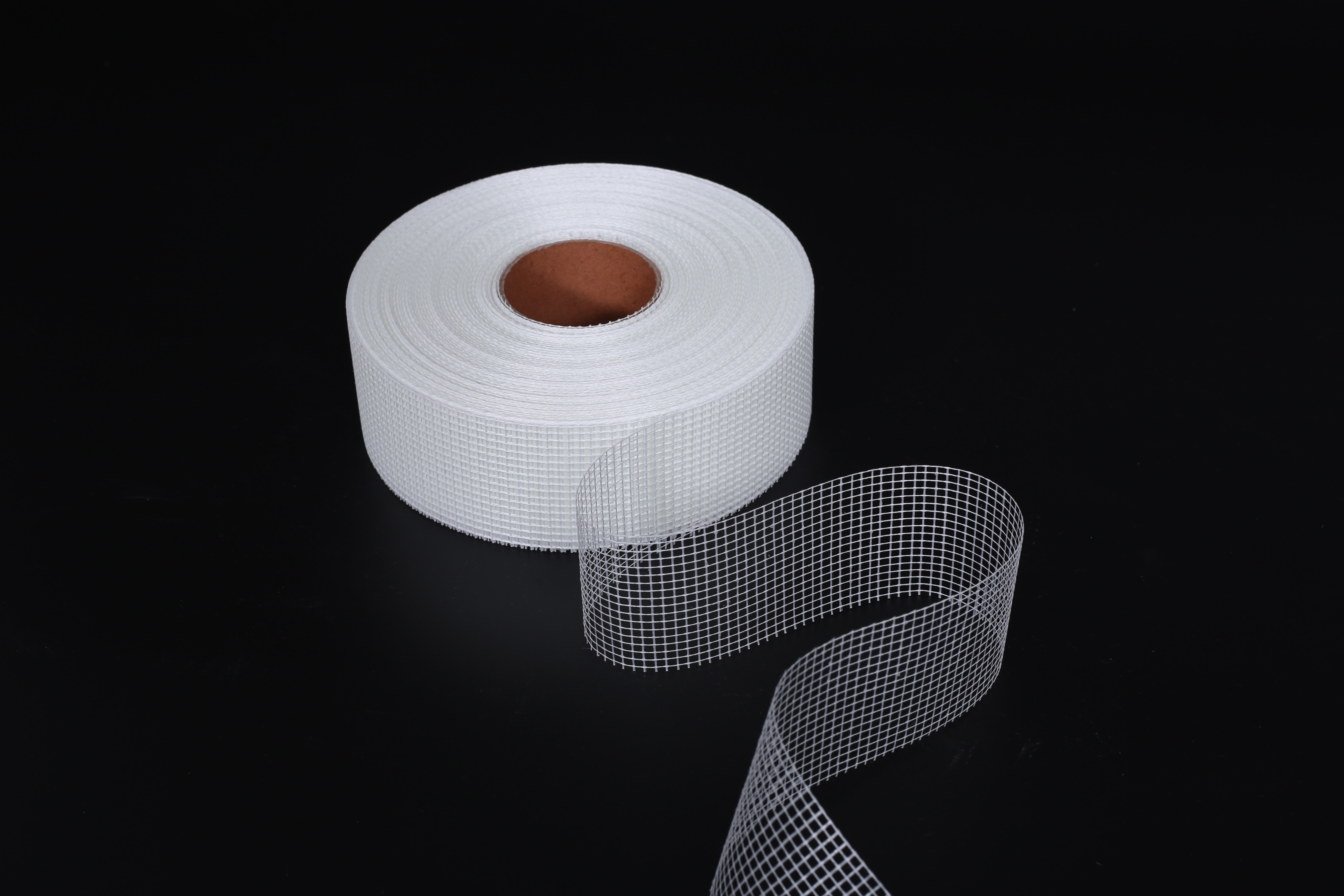
Into that gap steps Shanghai Ruifiber (global brand: GADTEX), a vertically integrated Fiberglass Mesh Factory and process-led manufacturer, not a reseller aggregating anonymous stock. With domestic production assets in Xuzhou and an engineering/sales hub in Shanghai, the company supplies Fiberglass Mesh, Alkali Resistant Fiberglass Mesh, Eifs Fiberglass Mesh, Roofing Fiberglass Mesh, Fiberglass Mesh Tape, Self Adhesive Fiberglass Mesh Tape, Fiberglass Mesh Tape For Waterproofing, Fiberglass Mesh For Concrete, Wall Corner Tape, Roving Fabric, Woven Fiberglass Roving, Coarse Weave Fiberglass, Open-Weave Roving, Laminating Roving, Boat Cloth, Marine-Grade Roving, and window screen mesh systems to customers in 50+ countries. The through-line is simple: reinforcement is not a line-item; it’s the skeleton.
From a drywall joint to a building envelope: the same logic, much higher stakes
The drywall debate—why use paper tape on drywall—is useful because it proves a rule every specifier should memorize: reinforcement must match substrate, stress profile, and environment.Apply that rule to Wall Corner Tape in an EIFS or stucco system, and the stakes explode. Corners collect wind suction, thermal movement, and impact (ladders, carts, landscaping). A paper-faced bead without mesh will eventually crack; a corner system built around Alkali Resistant Fiberglass Mesh wings will distribute stress across a larger zone and protect the termination that waterproofing depends on.
Shanghai Ruifiber builds Wall Corner Tape / Corner Tape systems with pre-formed profiles and mesh wings sized so the overlap into the field mesh is never the weak link. The mesh isn’t “added decoration”—it’s the reason the corner survives thermal cycles instead of telegraphing a clean crack exactly where the wing ends. And when those same façades need base-coat reinforcement, the company’s Eifs Fiberglass Mesh programs are produced under the same roof that controls yarn selection, coating/sizing, oven profile, and slitting. That’s the difference between a Fiberglass Mesh Supplier and a Fiberglass Mesh Manufacturer that can show you data, not just a packing list.
Even window screen mesh belongs in this conversation. Modern insect screening isn’t just “wire cloth”: it’s a UV-stabilized, corrosion-resistant textile specified for airflow, solar shading, and durability. Shanghai Ruifiber’s window screen mesh lines (fiberglass/polyester variants) use the same process discipline—tension control, edge quality, roll concentricity—that heavy construction mesh relies on, because a rolled good is only as good as it behaves on the installer’s table.
Waterproofing with fiberglass: why ‘waterproofing mesh’ only works when the mesh is specified, not assumed
If there’s a phrase that sounds harmless but hides risk, it’s “waterproofing with fiberglass.” Glass doesn’t rot, yes—but the mesh still has to survive the site: UV windows during construction, ponding water, thermal shock, and the mechanical abuse of maintenance traffic. Waterproofing mesh embedded in membranes or used as tape at transitions is what keeps a system from tearing at the exact places it’s supposed to protect.
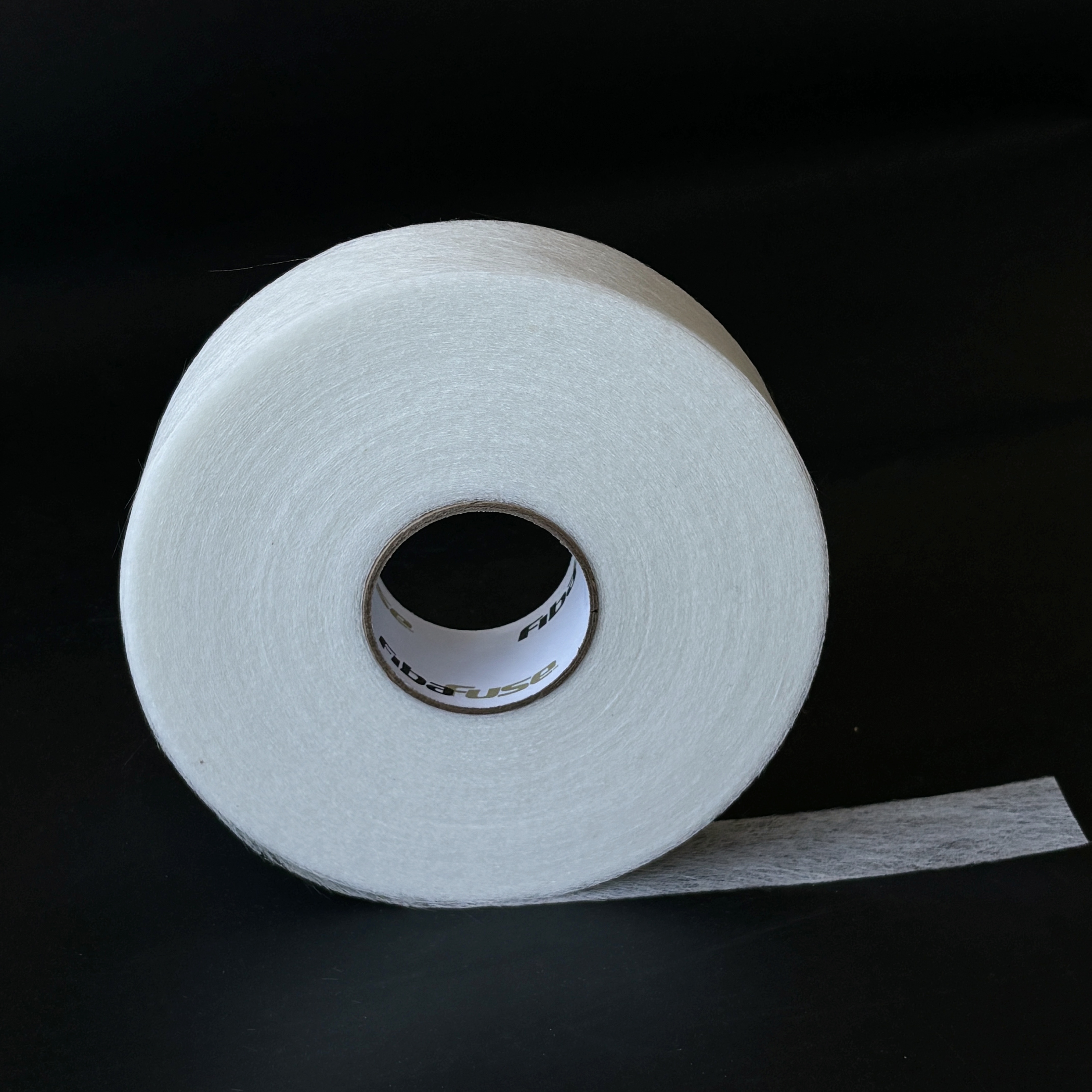
Shanghai Ruifiber’s Fiberglass Mesh Tape For Waterproofing and related membrane-reinforcement scrims are built around two non-negotiables:
- Carrier control: open-mesh geometry and node-bond integrity that won’t “open up” when a trowel hits it or when the substrate moves.
- Adhesive/system matching: release behavior, mass balance, and temperature window matched to bituminous, acrylic, and sheet-good transitions (termination bars, parapet toes, wall-to-roof).
For Roofing Fiberglass Mesh, the same discipline applies: the mesh must keep the membrane flat during torching or self-adhered installation and then keep it stable for years of thermal cycling. When importers screen Fiberglass Mesh Supplier China or China Fiberglass Mesh options, the smart ones stop asking “how cheap” and start asking “who can prove oven profile, binder crosslink, and tensile consistency?”—the questions a real Fiberglass Mesh Factory is built to answer.
Concrete doesn’t forgive: Fiberglass Mesh For Concrete must be genuinely alkali-resistant
Concrete is high-compression but low-tension. The moment a slab or overlay tries to shrink, curl, or bridge a joint, the hidden reinforcement decides success. Fiberglass Mesh For Concrete only earns the name when the glass is true Alkali Resistant Fiberglass Mesh (AR-glass, zirconia-bearing), because fresh cementitious matrix sits at pH 12–13 that eats unprotected E-glass.
Shanghai Ruifiber produces AR mesh with documented ZrO₂ levels and coating systems engineered to key into cementitious base coats and repair mortars. The result is a crack-control layer that stays alive for the service life, not just the handover. For distribution partners hunting Fiberglass Mesh Manufacturers who can support private-label and regional certification files, this is where factory-direct stops being a slogan and becomes paperwork you can defend in an audit.
When the load path isthe fabric: Marine-Grade Roving, Boat Cloth, and why roving buyers hate “trading stories”
Step into marine and FRP, and the vocabulary shifts to Roving Fabric, Woven Fiberglass Roving, Coarse Weave Fiberglass, Open-Weave Roving, Boat Cloth, Marine-Grade Roving, and Laminating Roving. Here, textile = structure. Crimp control, tow alignment, and sizing/resin compatibility decide whether a hull laminate stays monolithic or starts micro-delaminating after seasons of fatigue.
Shanghai Ruifiber’s Xuzhou base runs looms with tension control and inline inspection to keep Woven Fiberglass Roving and Heavy Woven Roving consistent roll-to-roll. The buyers who’ve been burned by “mystery-source” rolls eventually land on the same conclusion: a Fiberglass Mesh Manufacturer that owns yarn→weave→finish→QC is cheaper in total costthan a trader’s “lowest price” that ships you a width-drift surprise.
The search intent has changed: why buyers typing Fiberglass Mesh Manufacturers China want accountability, not another MOQ
If you track inbound searches — Fiberglass Mesh Factory, Fiberglass Mesh Supplier, Fiberglass Mesh Manufacturer, Fiberglass Mesh Manufacturers China, Fiberglass Mesh Manufacturers, China Fiberglass Mesh, Fiberglass Mesh Suppliers, Fiberglass Mesh Supplier China, Fiberglass Mesh In China, Fiberglass Mesh Tape, Self Adhesive Fiberglass Mesh Tape, Eifs Fiberglass Mesh, and even why use paper tape on drywall — the pattern is obvious. People aren’t browsing; they’re risk-managing. They want:
- a factory that can explain whya mesh is AR, not just claim it,
- rolls that behave the same at meter 10 and meter 10,000,
- and a partner who can discuss window screen mesh volumes, custom widths, palletizing, and documentation without blinking.
Shanghai Ruifiber/GADTEX replies with process data, not slogans: controlled binder add-on, calender nip discipline, width tolerance, and traceable COAs. That’s what turns a keyword into an RFQ.
Closing note
The next time someone asks why use paper tape on drywall, answer honestly: “because the joint matters.” Then apply that honesty upward—to the corner that protects the envelope, to the roof that keeps water out, to the concrete that shouldn’t crack, and to the laminate that shouldn’t delaminate. Shanghai Ruifiber (GADTEX) is here to spec, sample, and deliver that logic at scale.
RFQ / sample requests: info@ruifiber.com | Tel: 0086-18621915640
Address
Head office Add: BLDG#26,MAX Technology Park Phase II,Baoshan District,Shanghai China
Factory Add: Shanghai Ruifiber (Fengxian) Industry Park, Fengxian, Xuzhou, China
info@ruifiber.com
ruifibersales2@ruifiber.com
Phone
Sales: 0086-159-6804-7621
Support: 0086-186-2191-5640
Hours
Monday-Friday: 9am to 6pm
Saturday, Sunday: Closed
WANT TO WORK WITH US?
Post time: Jun-16-2026